


Thinking about making some authentic Italian pizzas at home? It's totally doable! Forget those delivery menus for a night and get ready to impress yourself (and maybe your friends) with some classic Italian pizzas recipes. We're talking about flavors that are simple, real, and just plain delicious. From the super famous Margherita to ones with a little kick, there's a whole world of pizza waiting for you. Let's get cooking!
Key Takeaways
- Baking your pizza on a preheated pizza stone is a game-changer for that crispy, rustic crust, mimicking a wood-fired oven.
- Finishing your pizza under the broiler for the last minute can give you those desirable charred edges, even without a super hot oven.
- Fresh basil, sun-dried tomatoes, prosciutto, and earthy mushrooms are just a few of the classic Italian pizza toppings that add depth and flavor.
- Creamy stracciatella cheese and tangy artichoke hearts offer unique textures and tastes that can make your pizza stand out.
- Spicy Calabrian chilies and fresh arugula provide contrasting heat and freshness, balancing richer ingredients for a well-rounded pizza experience.
1. Margherita Pizza
Ah, the Margherita. It's like the little black dress of the pizza world – simple, elegant, and always a crowd-pleaser. This pizza is all about letting a few quality ingredients shine. We're talking a base of crushed San Marzano tomatoes, fresh mozzarella (buffalo mozzarella is the gold standard here if you can find it!), a drizzle of good olive oil, and a scattering of fresh basil leaves.
The beauty of the Margherita lies in its simplicity and the harmony of its flavors. It’s a tribute to Queen Margherita of Savoy, supposedly created in her honor with toppings representing the colors of the Italian flag: red (tomatoes), white (mozzarella), and green (basil).
Here’s a breakdown of what makes it so special:
- Dough: A good pizza dough is key. For that authentic Italian feel, aim for a thin, slightly chewy crust. Many recipes suggest using '00' flour for that perfect texture.
- Sauce: Keep it light. A simple crushed tomato sauce, seasoned with just a pinch of salt, is all you need. No need to overcomplicate it.
- Cheese: Fresh mozzarella is non-negotiable. It melts beautifully and has a delicate flavor that doesn't overpower the other ingredients.
- Toppings: Fresh basil leaves added right at the end, or even after baking, give it that signature aroma and fresh taste. A final drizzle of extra virgin olive oil ties it all together.
Making a great Margherita at home often comes down to the quality of your ingredients and how you handle the dough. Don't be afraid to experiment with your oven's heat to get that perfect crust.
When you bake it, a hot oven is your friend. If you have a pizza stone, definitely use it – preheat it well for a crispy bottom. Some folks even finish it under the broiler for a minute to get those lovely charred spots on the crust.
2. Arrabiata Pizza
If you like a little heat, the Arrabiata pizza is for you. The name itself, 'arrabbiata,' means 'angry' in Italian, and it refers to the spicy tomato sauce that's the star of this pie. It’s a sauce that definitely packs a punch, but in the best way possible.
What makes arrabbiata sauce so special is its simple yet bold flavor profile. It’s typically made with tomatoes, garlic, and a generous amount of red chili peppers. Some recipes might add a splash of white wine or a bit of onion, but the core ingredients are those that bring the heat. The key is to get that perfect balance between the sweet tomatoes and the fiery chili.
Making your own arrabbiata sauce at home is surprisingly straightforward. You can whip up a delicious homemade spicy arrabbiata sauce in about 30 minutes. It starts with good olive oil, some fresh garlic, and of course, those all-important red pepper flakes for that signature kick.
When it comes to toppings, keep it relatively simple to let the sauce shine. A good quality mozzarella is a must, and maybe some fresh basil added after baking. Some people like to add a sprinkle of Pecorino Romano cheese for an extra salty bite. You could also try adding some thinly sliced red onions or even some spicy Italian sausage if you're feeling adventurous.
The beauty of an arrabbiata pizza lies in its directness. It doesn't try to be overly complicated. It's about bold flavors that come together to create something truly satisfying. It’s a pizza that wakes up your taste buds.
Here’s a basic idea of how to assemble your Arrabiata Pizza:
- Start with your favorite pizza dough. A thin crust works really well here.
- Spread a generous layer of your homemade arrabbiata sauce over the dough.
- Add your cheese – usually mozzarella, but feel free to experiment.
- Bake until the crust is golden and the cheese is bubbly.
- Finish with fresh basil and maybe a drizzle of good olive oil.
3. Puttanesca Pizza
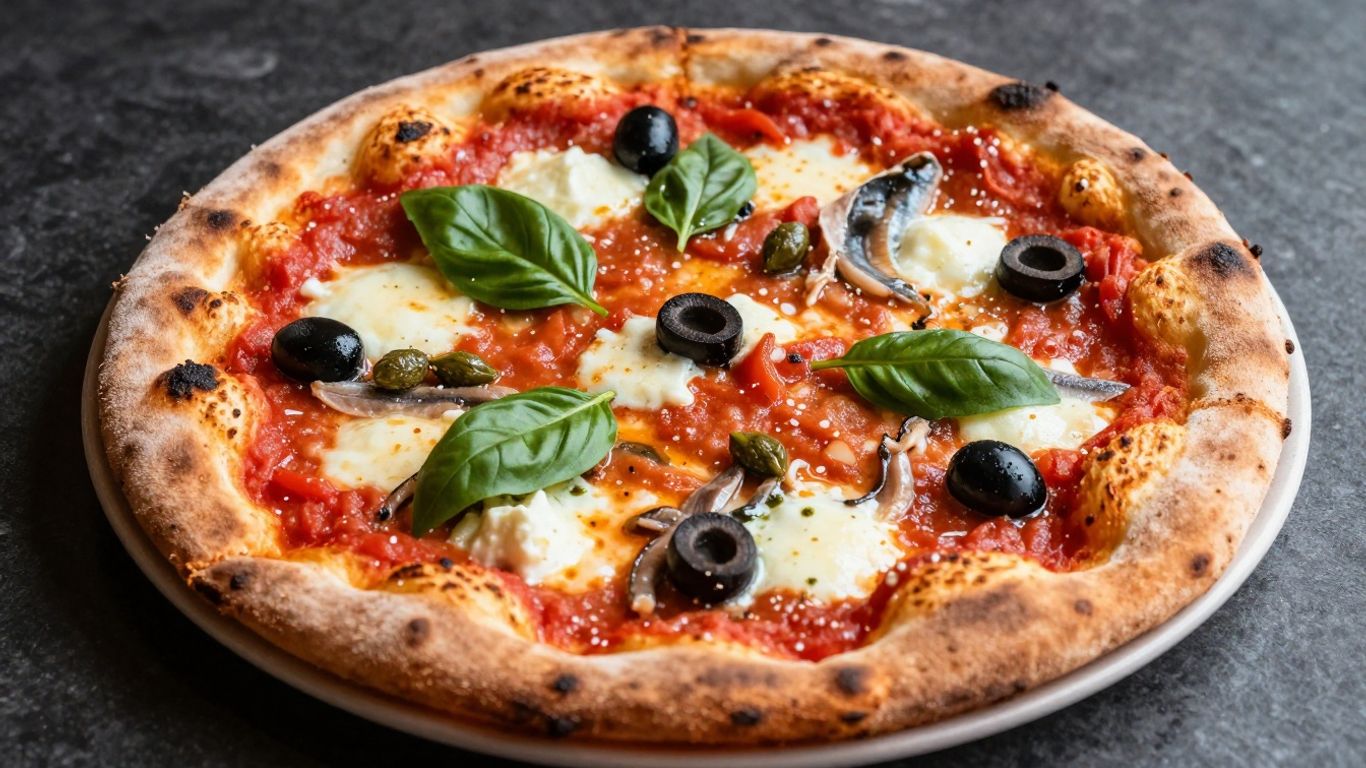
Alright, let's talk about Puttanesca pizza. This one's got a bit of a reputation, and honestly, it lives up to it. It's not shy with its flavors, that's for sure. Think bold, savory, and a little bit briny. It all starts with a good tomato sauce, but the real magic comes from the toppings.
The star players here are usually olives, capers, and anchovies. Don't let the anchovies scare you off; they melt into the sauce and add this incredible depth of flavor that you just can't get any other way. It's salty, it's tangy, and it's seriously addictive.
Here's what you'll typically find making this pizza sing:
- Olives: Usually Kalamata or Gaeta olives, adding that distinct salty bite.
- Capers: These little guys bring a briny, zesty punch that cuts through the richness.
- Anchovies: Don't skip them! They dissolve into the sauce, creating a savory umami base.
- Garlic: Plenty of it, because, well, it's Italian.
- Optional heat: Sometimes you'll see a pinch of red pepper flakes for a little kick.
It's a pizza that really wakes up your taste buds. It’s simple in its components but complex in its final taste. It’s the kind of pizza that makes you pause after the first bite and think, 'Wow, what was that?' It’s a flavor explosion, but in the best possible way.
This pizza is a testament to how a few strong, distinct ingredients can come together to create something truly memorable. It’s rustic, it’s flavorful, and it’s definitely not for the faint of heart, but that’s exactly why it’s a classic.
4. Marinara Pizza
Ah, the Marinara pizza. This one is a true classic, and honestly, it's a testament to how simple ingredients can create something truly amazing. It's basically the purest expression of pizza, focusing on the quality of the dough and a few key toppings. Forget the cheese for a moment; this pizza is all about the tomato sauce, garlic, oregano, and olive oil. It’s a Neapolitan original, and it’s been around forever for a reason.
What makes it so special? It’s the harmony. You get the bright, slightly acidic tomato sauce, the pungent kick from fresh garlic slices, and the aromatic lift from oregano. A good drizzle of extra virgin olive oil ties it all together, adding richness and that signature Italian flavor. It’s a pizza that doesn’t need much to shine.
Here’s what you’ll typically find on a traditional Marinara:
- San Marzano Tomatoes: These are the gold standard for tomato sauce on pizza. They’re less acidic and have a sweeter flavor than other varieties.
- Garlic: Thinly sliced fresh garlic is key. It mellows out as it bakes, releasing its flavor without being overpowering.
- Oregano: Dried oregano is usually sprinkled on top, adding that classic herbaceous note.
- Extra Virgin Olive Oil: A generous drizzle before and sometimes after baking is a must.
The beauty of the Marinara lies in its simplicity. It proves that you don't need a lot of fancy ingredients to make a pizza that’s incredibly satisfying. It’s a pizza for purists, really, and it’s a fantastic way to appreciate the foundation of good pizza making.
5. Ricotta Meatball Pizza
This pizza is a hearty and comforting choice, bringing together the savory goodness of meatballs with the creamy texture of ricotta cheese. It's a fantastic option when you're craving something a bit more substantial than your average slice.
The key to this pizza is well-seasoned, tender meatballs that aren't too dense. You want them to be flavorful but still light enough to complement the other toppings. A good pomodoro sauce is the perfect base, providing a bright, acidic counterpoint to the richness of the ricotta and meatballs.
Here’s a breakdown of what makes this pizza special:
- Ricotta Meatballs: These aren't your typical dense meatballs. The addition of ricotta cheese makes them incredibly tender and moist. You can make them from scratch using a recipe that incorporates ingredients like minced onion, garlic, ground beef, and of course, whole milk ricotta cheese. Sautéing the aromatics first really brings out their flavor before mixing them into the meat.
- Creamy Ricotta Dollops: Beyond the meatballs, dollops of fresh ricotta cheese are often scattered over the pizza before baking. This adds pockets of creamy goodness that melt slightly, creating a luxurious texture.
- Savory Sauce: A good quality marinara or a simple pomodoro sauce works best here. It should be flavorful but not overpowering, allowing the meatballs and cheese to shine.
When assembling, spread your sauce evenly, add your cheese (mozzarella is a classic choice), then arrange the pre-cooked meatballs and scatter spoonfuls of ricotta. Bake until the crust is golden and the cheese is bubbly. A sprinkle of fresh basil or parsley after baking adds a nice touch of freshness.
Making the meatballs ahead of time can save a lot of effort on pizza night. Just ensure they are fully cooked before adding them to the pizza, as they won't cook through completely in the short baking time of a pizza.
This pizza is a real crowd-pleaser, perfect for family dinners or when you just want a satisfying meal. It’s a great way to enjoy classic Italian flavors with a delightful twist, and you can find great meatball recipes to get you started.
6. Spinach Artichoke Pizza
This pizza takes a creamy, comforting dip and turns it into a fantastic pizza topping. It’s a bit of a departure from the super traditional, but it’s so good.
The star here is the combination of tender artichoke hearts and wilted spinach, usually mixed with a creamy base. Forget the standard tomato sauce for this one; think more along the lines of a white pizza, perhaps with a garlic-infused olive oil or a light béchamel sauce. The artichokes bring a nice little tang, and the spinach adds that earthy green goodness. It’s a flavor profile that just works, offering a nice balance to the richness of the cheese.
Here’s a breakdown of what makes it special:
- Artichoke Hearts: Look for marinated artichoke hearts for an extra punch of flavor, or use plain ones and give them a quick sauté with some garlic. They add a tender bite and a subtle, pleasant tartness.
- Spinach: Fresh spinach wilts down beautifully, adding color and a mild, earthy taste. You can also use frozen, just make sure to squeeze out all the excess water.
- Creamy Base: This is where the magic happens. A blend of ricotta, mozzarella, and maybe a touch of Parmesan or cream cheese creates a luscious foundation that holds everything together.
This pizza is all about that rich, savory, and slightly tangy flavor combination. It’s the kind of pizza that feels a little decadent but is surprisingly easy to put together. It’s a great way to use up leftover spinach or artichokes, too.
When assembling, spread your creamy base evenly over the pizza dough. Then, scatter the prepared spinach and artichoke hearts. Top generously with mozzarella and any other cheeses you like. Bake until the crust is golden and the cheese is bubbly and melted. A sprinkle of red pepper flakes at the end can add a nice little kick if you're feeling adventurous.
7. Prosciutto Pizza
Prosciutto pizza is a real treat for anyone who loves that salty, slightly sweet cured ham. It's not usually cooked on the pizza itself, which is a bit of a trick. You add the thin slices of prosciutto right after the pizza comes out of the oven. This way, it stays delicate and doesn't get tough or crispy like bacon might. It just warms up a little from the heat of the pizza, keeping its lovely texture.
The beauty of prosciutto on pizza lies in its simplicity and the quality of the ham itself. It pairs wonderfully with a variety of bases, from a simple tomato sauce to a creamy white sauce, or even just a drizzle of good olive oil. It's a topping that really lets the ham shine.
Here are a few ideas for building your prosciutto pizza:
- Base: A light tomato sauce, a garlic-infused olive oil base, or a creamy ricotta spread.
- Cheese: Fresh mozzarella is classic, but don't shy away from creamy goat cheese or a sharp provolone.
- Finishing Touches: Arugula adds a peppery bite, a drizzle of balsamic glaze brings sweetness, and a sprinkle of shaved Parmesan or Grana Padano adds a salty kick.
When you're picking out your prosciutto, look for Italian varieties if you can. They have a distinct flavor that's hard to beat. You can often find it thinly sliced at your local deli or specialty food store. It's a simple addition that really makes a pizza feel a bit more special, almost like you're dining in a trattoria. Trying out different combinations can be fun, but honestly, even just prosciutto and mozzarella is a winner. It's a great way to add a touch of elegance to your homemade pizza night. For a really interesting flavor profile, consider pairing it with caramelized pears and goat cheese for a sweet and savory mix.
8. Mushroom Pizza
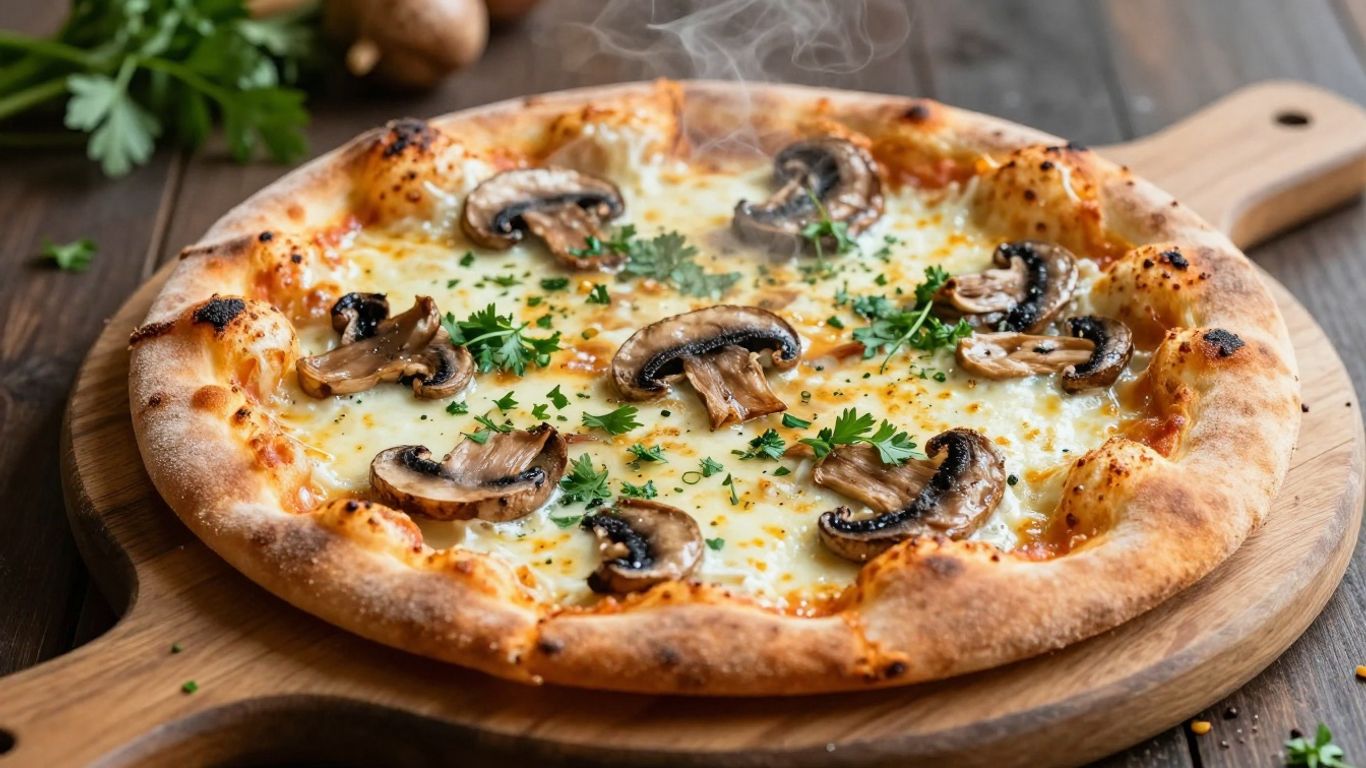
Mushrooms are a fantastic topping for pizza, bringing a deep, earthy flavor that really complements the other ingredients. They're not just a filler; they add a unique texture and a savory richness that can transform a simple pizza into something special. The key is to use good quality mushrooms and prepare them right.
Different mushrooms bring different things to the table. You've got your common button mushrooms, which are fine, but if you want to step it up, try cremini or portobello. For a real treat, porcini mushrooms, especially if you can find them fresh or dried and rehydrated, offer an intense, woodsy flavor that's hard to beat. They're a favorite in Italian cooking for a reason.
Here's a quick rundown of how to get the best out of your mushrooms:
- Sautéing is key: Don't just throw raw mushrooms on the pizza. Sautéing them first, maybe with a little garlic and some herbs like thyme or rosemary, concentrates their flavor and removes excess water. This prevents a soggy pizza.
- Consider the cheese: Mushrooms pair wonderfully with a variety of cheeses. Mozzarella is a given, but adding some Parmesan or even a bit of Gruyere can add another layer of nutty, savory goodness.
- Don't forget the sauce: While a classic tomato sauce works, a creamy white sauce or even just a garlic and olive oil base can really let the mushroom flavor shine. Some people even like to mix sautéed mushrooms into a ricotta base.
When preparing mushrooms for pizza, remember that they shrink quite a bit as they cook. So, if you think you have enough, you probably need to chop up a bit more. Sautéing them until they release their liquid and start to brown is the best way to get that intense flavor.
If you're looking for a recipe that really highlights mushrooms, you might want to check out a homemade sausage and mushroom pizza. It's a great way to combine savory sausage with those delicious, earthy mushrooms, all on a bed of melted cheese. It's a hearty option that's always a crowd-pleaser.
9. Stracciatella Pizza
Stracciatella pizza is all about that incredible cheese. You know, the stuff that’s the creamy center of burrata? It’s seriously luxurious and makes any pizza feel fancy. Because it has a good amount of moisture, it melts into this luscious pool on top of the crust. It’s perfect for a bianca-style pizza, meaning no tomato sauce, just pure cheesy goodness.
This pizza really lets the cheese shine, so don't go overboard with too many other toppings.
Here’s how to build a great Stracciatella pizza:
- Start with your favorite pizza dough. A simple olive oil base works wonders here.
- Add the stracciatella cheese. You can either dollop it on in clumps or spread it out a bit.
- Consider adding a few other complementary flavors. Think about a little lemon zest to brighten things up, or maybe some sun-dried tomatoes for a bit of tang and chew.
- A sprinkle of black pepper is a must.
Stracciatella cheese brings a unique, slightly tangy freshness that transforms a simple pizza into something truly special. Its high moisture content creates a wonderfully melty texture, making it ideal for pizzas where the cheese is the main event. It’s a simple yet decadent choice that feels incredibly indulgent.
If you want to add a little something extra, some fresh arugula tossed on after baking adds a nice peppery bite that cuts through the richness of the cheese. It’s a simple pizza, but the quality of the stracciatella makes all the difference.
10. Calabrian Chili Pizza
If you're looking to add a serious kick to your homemade pizza, Calabrian chilies are the way to go. These little peppers hail from the Calabria region in southern Italy, and they pack a punch that's both fiery and flavorful. They're not just about heat, though; they have a unique, slightly fruity taste that really complements other toppings.
The real magic happens when these chilies are packed in oil, which helps preserve their intense flavor and vibrant color. When you add them to your pizza, either chopped up or as a chili paste, that oil infuses into the sauce and cheese, creating a delicious warmth that spreads through every bite. They pair exceptionally well with richer meats like soppressata or even game meats if you're feeling adventurous. You can also balance their heat with something sweet, like caramelized onions, or something smoky, like provolone cheese.
Here's a quick rundown of why they're so great:
- Flavor Profile: Spicy, slightly fruity, and intensely savory.
- Versatility: Works with meats, cheeses, and even sweet elements.
- Authenticity: Brings a genuine taste of Southern Italian cuisine.
Don't be afraid to experiment with the amount you use. Start with a little, taste, and add more if you dare! The oil they come in is also fantastic for drizzling over the finished pizza for an extra layer of flavor and heat.
Your Italian Pizza Adventure Awaits!
So there you have it – ten classic Italian pizza recipes that are totally doable in your own kitchen. We've covered everything from the dough basics to some seriously tasty topping ideas. Making pizza at home isn't just about the food, though. It's about the fun of creating something delicious with your own hands, maybe getting a little flour on the ceiling, and sharing a fantastic meal with people you care about. Don't be afraid to experiment a little, find your favorite combinations, and enjoy the process. Buon appetito!
Frequently Asked Questions
What's the secret to a great Italian pizza crust?
Using a pizza stone is a game-changer! It helps make the crust crispy, just like a real pizza oven. Make sure to heat it up in your oven for a long time, maybe even an hour, before you put the pizza on it. This helps prevent it from cracking and gives you that perfect crust.
Can I get that wood-fired look without a wood oven?
Yes! If your oven doesn't get super hot, try finishing your pizza under the broiler for the last minute. It gives the crust those nice charred spots and a little smoky taste, almost like it came from a wood-fired oven.
What kind of flour is best for Italian pizza dough?
You don't need anything fancy! A good quality all-purpose flour works great, especially for that thin and crispy Neapolitan style crust. Some people like to use '00' flour, which is a special Italian flour, but regular all-purpose is perfectly fine for home baking.
How do I make the dough rise properly?
After you mix and knead the dough, let it rest in a warm, draft-free spot for about 2 hours. Some people like to put it in a cold oven (turned off, of course!) to let it rise. You can also make the dough ahead of time and keep it in the fridge for later.
What are some simple but tasty topping ideas?
Classic choices like fresh basil, sun-dried tomatoes, or good quality prosciutto are fantastic. Mushrooms add an earthy flavor, and creamy stracciatella cheese makes any pizza feel special. Don't forget about olives or spicy Calabrian chilies if you like a kick!
Can I freeze leftover pizza dough?
Absolutely! Once the dough has risen, you can divide it into portions, wrap them well, and freeze them. This way, you can have homemade pizza dough ready whenever the craving strikes. Just thaw it in the fridge overnight before you plan to use it.


