


Picking out the right pasta sauce jars can feel like a big deal, right? You want something that looks good on the shelf, keeps your sauce fresh, and maybe even looks nice on the table. It’s not just about grabbing any old container; there are a few things to think about to make sure you get the best pasta sauce jars for your needs. Let's break it down so you can make a smart choice.
Key Takeaways
- Figure out how much sauce you need to store and how much space you have before you start looking at pasta sauce jars.
- Look for pasta sauce jars made from durable glass with lids that seal tight to keep your sauce fresh and safe.
- Standard sizes like pints and quarts are common, but bigger or smaller pasta sauce jars might be better depending on how much you make or store.
- Consider the style of the pasta sauce jars – classic mason jars or more modern designs can both work well.
- Make sure the lids on your pasta sauce jars create an airtight seal to prevent spoilage and keep out contaminants.
Understanding Your Pasta Sauce Jars Needs
Before you even start looking at fancy lids or cool designs, let's talk about what you actually need these jars for. It sounds simple, but really thinking it through saves you a lot of hassle later. You don't want to end up with a bunch of jars that are too small for your flour or too big for your spices, right?
Assessing Storage Requirements
First off, what are you planning to put in these jars? Are we talking about homemade marinara, dried pasta, grains, or maybe even spices? Take a quick look at what you have and what you use most often. Knowing what you'll store is the first step to picking the right container. For example, if you're a big baker, you'll need larger jars for flour and sugar, but if you're just starting out with homemade sauces, smaller ones might be fine. It's also worth thinking about how much of something you usually keep on hand. Do you buy rice in bulk, or just a small bag at a time? This will help you figure out the capacity you'll need.
Estimating Product Quantities
This ties right into the last point. How much stuff are we talking about? If you're storing things like Rao's Marinara, which is a pantry essential for many, you'll want jars that can hold a decent amount. It’s helpful to jot down rough estimates. For instance:
- Grains (rice, quinoa): Often bought in larger bags, so consider 1-liter or larger jars.
- Flour/Sugar: Similar to grains, bulk buying means bigger jars.
- Spices: Usually used in smaller quantities, so 4-ounce or 8-ounce jars are typically sufficient.
- Homemade Sauces/Preserves: Depends on batch size, but pint or quart jars are common.
Thinking about future needs is also smart. Maybe you plan to start canning more or switch to buying in bulk. Getting jars that are a little bigger than you think you need right now can save you from buying more later.
Considering Available Kitchen Space
Okay, so you know what you want to store and roughly how much. Now, where are these jars going to live? Open up your cabinets and pantry. Measure the shelves. Are they deep enough? Tall enough? Sometimes, a really tall jar just won't fit, no matter how much you want it to. You don't want to cram things in so tight that you can't get them out, or worse, knock everything over. Think about how you use your kitchen too. Do you need things within easy reach on the counter, or is it okay for them to be tucked away in the back of a cabinet? Choosing the right size and shape of jar can make a big difference in how organized and usable your kitchen feels.
Key Features of Quality Pasta Sauce Jars
When you're picking out jars for your homemade pasta sauce, or even just looking for good ones to store store-bought stuff, there are a few things that really matter. It's not just about them looking pretty on the shelf, though that's nice too. We're talking about keeping your sauce fresh and safe to eat.
Material Durability and Safety
First off, the material. Most good pasta sauce jars are made of glass. Why glass? Well, it doesn't mess with the flavor of your sauce, which is a big deal. Plus, you can see exactly what's inside, which is handy. You want glass that's sturdy, not too thin, so it won't crack easily if you bump it. It should also be food-safe, meaning no weird chemicals are going to leach into your marinara. Some jars might have coatings or treatments, and it's best to steer clear of anything that sounds like it could get into your food. Think of it like this: you wouldn't want your sauce tasting like paint, right?
Lid Design and Seal Integrity
Next up, the lid. This is super important for keeping things fresh. A good lid needs to fit snugly. We're talking about a seal that really locks things down. Some lids screw on tight, others have a clamp or a flip-top. For pasta sauce, you generally want something that creates an airtight seal. This stops air from getting in, which can make your sauce go bad faster, and also keeps out any unwanted critters or dust. A lid that's hard to open or close properly is just going to be a pain.
Rust-Proof and Food-Safe Components
This ties into the lid, but it's worth mentioning separately. Make sure the parts of the lid that touch your food, or even just the metal parts, are rust-proof. Nobody wants rusty bits in their spaghetti sauce. Stainless steel is usually a good bet for this. Also, double-check that any seals or gaskets are made from food-safe materials, like silicone or natural rubber. You don't want anything that could degrade over time and contaminate your sauce. It’s all about making sure what you put in the jar stays pure and tasty, just like this collection of decorative glass jars aims to do for various storage needs.
When you're choosing jars, think about how they'll hold up over time. A cheap jar might seem like a good deal now, but if the lid rusts or the glass chips, you'll just have to replace it sooner. Investing a little more upfront in quality can save you hassle and money down the road.
Selecting the Right Size for Pasta Sauce Jars
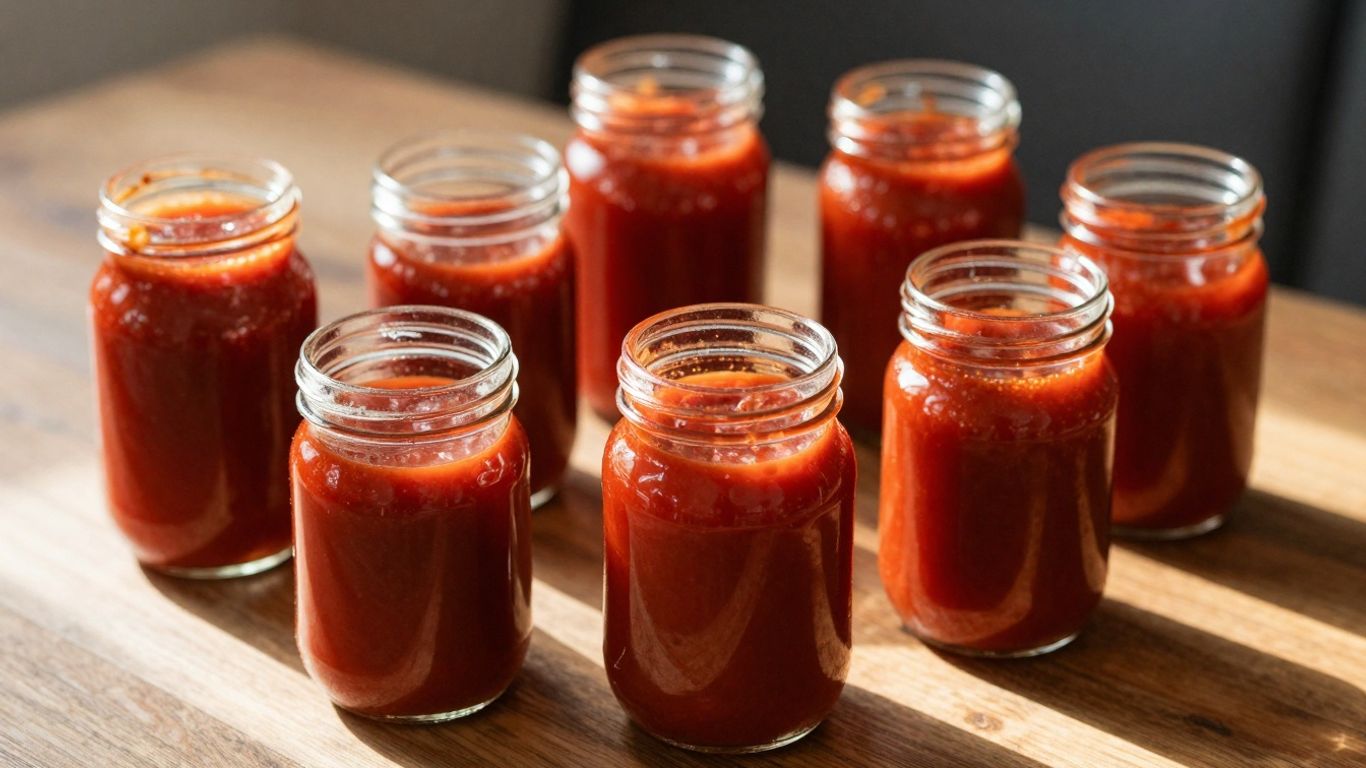
Alright, so you've got your pasta sauce, or maybe you're planning to make some. Now, where are you going to put it? Picking the right jar size is actually a bigger deal than you might think. It's not just about fitting it on the shelf; it's about how much you'll use, how often, and if it's going to go bad before you get to it. Let's break it down.
Standard Pint and Quart Sizes
When most people think of jars for canning or storing, the pint (16 oz) and quart (32 oz) sizes usually come to mind first. These are the workhorses for a reason. A pint jar is pretty good for a single batch of sauce, or maybe for storing leftovers. It's easy to handle and doesn't take up too much space. The quart jar, on the other hand, is for when you're making a bigger batch, or if you go through pasta sauce like it's going out of style. It's also great for storing dry goods like pasta itself, or flour if you're doing a lot of baking.
Here's a quick look at what these common sizes are good for:
- Pint Jars (16 oz): Ideal for smaller batches of sauce, individual servings, or storing things like herbs and spices. They're also handy for making layered salads or overnight oats.
- Quart Jars (32 oz): Perfect for larger quantities of sauce, canning vegetables, storing bulk dry goods like rice or beans, or even for making large batches of pickles.
Don't underestimate the power of having a few of these standard sizes on hand. They cover a lot of everyday kitchen needs without being too bulky.
Larger Capacity Options
Sometimes, a quart just isn't enough. If you're a serious canner, run a small food business, or just have a big family that loves pasta night, you might need to look at bigger jars. We're talking about half-gallon (64 oz) jars and even gallon (128 oz) sizes. These are fantastic for storing large amounts of pantry staples like flour, sugar, or oats. For sauce specifically, a half-gallon jar is great if you're making a huge batch to freeze or share. Just remember, these big boys take up more space, so make sure you've got the room in your pantry or cabinets.
Miniature Jars for Samples or Small Batches
On the flip side, what if you're experimenting with a new sauce recipe, or you want to give out little samples? That's where the tiny jars come in. We're talking about 2 oz, 4 oz, or 8 oz jars. These are super cute for giving away small portions of your homemade sauce as gifts, or for storing tiny amounts of spices or extracts. They're also great for things like homemade jams or jellies, where you might not need a whole pint.
Think about these small sizes for:
- Samples: Perfect for letting friends try your latest sauce creation.
- Small Batches: Ideal for things like homemade baby food or single-serving desserts.
- Gifts: Package up some jam or a spice blend for a thoughtful, homemade present.
Choosing the right size really comes down to what you're storing and how much of it you need. It's all about making your kitchen work for you, not the other way around.
Exploring Different Pasta Sauce Jar Styles
When you're picking out jars for your pasta sauce, it's not just about how much they hold. The style of the jar itself can say a lot about your product and how people see it. Think about the vibe you're going for – are you aiming for that cozy, homemade feel, or something more sleek and modern? The jar is part of the package, after all.
Classic Mason Jar Aesthetics
These are the jars most people picture when they think of canning or homemade goods. They have that iconic shape, often with a metal lid that screws on tight. The traditional look really brings a sense of nostalgia and quality to mind. They're great for liquids like sauces because the opening is usually a bit narrower, making pouring neat and tidy. It's harder to get big chunks in, but for smooth sauces, it's perfect. Plus, that classic design is instantly recognizable and trusted by many.
Specialty and Multipurpose Designs
Beyond the standard look, there are jars made for specific jobs or that can do a bit of everything. Some are designed with wider mouths, making them easier to fill with chunky ingredients or to scoop out every last bit. Others might have unique lids, like clamp-tops or even glass lids with a clear view of the contents. These can be great if you want your product to stand out on the shelf or if you're thinking about how customers will use the jar after they've finished the sauce. Some jars are even made to be good for fermenting or pickling, so they're super versatile.
Wide-Mouth vs. Standard Mouth Jars
This is a big one to consider. Standard mouth jars, like the classic mason jars, have a smaller opening. This is fantastic for pouring liquids without making a mess. It also helps keep things sealed up tight. On the flip side, wide-mouth jars have a much larger opening. They're way easier to fill, especially with thicker sauces or if you're adding big chunks of vegetables or meat. They're also simpler to clean out later. If your sauce is super smooth, a standard mouth might be your best bet for easy pouring. But if you've got a chunky marinara or want customers to be able to easily scoop out the last bit, a wide mouth is probably the way to go.
Here's a quick look at the differences:
- Standard Mouth Jars:
- Easier pouring of liquids.
- Often have a more traditional look.
- Can be trickier to fill with bulky items.
- Good for smooth sauces and dressings.
- Wide-Mouth Jars:
- Simple to fill and empty.
- Better for chunky ingredients.
- Easier to clean.
- Great for scooping out the last bits of sauce.
Choosing between a wide-mouth and a standard-mouth jar really comes down to what's inside and how you want people to interact with it. Think about the texture of your sauce and how easy you want it to be for someone to get every last drop out of the jar.
Ensuring Airtight Storage for Pasta Sauce
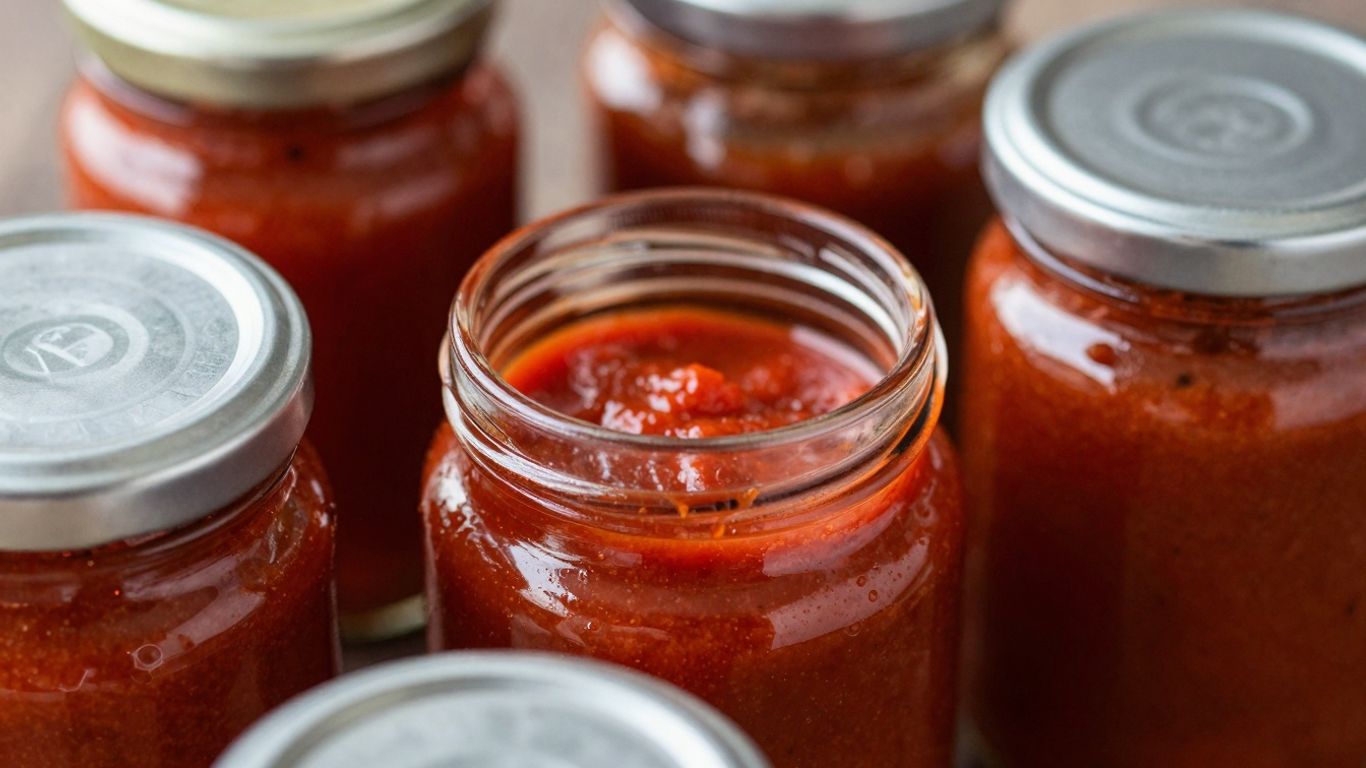
Keeping your pasta sauce fresh and safe to eat after you've opened the jar is pretty important. Nobody wants their homemade marinara to go bad before they can finish it, right? That's where the magic of an airtight seal comes in. It's not just about keeping air out; it's about keeping everything else out too – like moisture, little critters, and anything else that could mess with your sauce.
The Importance of Tight-Fitting Lids
Think of the lid as the guardian of your sauce. A lid that fits snugly is the first line of defense. If it's loose, air can get in, and that's a fast track to spoilage. You want a lid that screws on securely or clamps down with a satisfying click. This simple act of sealing is what keeps your sauce tasting like it just came out of the pot, not like it's been sitting around for ages.
Understanding Seal Materials
What makes a lid truly airtight? It's often the material inside the lid. You'll find lids with rubber or silicone gaskets. These flexible materials compress when the lid is closed, filling any tiny gaps and creating that all-important seal. Some older styles might use wax, but for modern storage, rubber or silicone is the way to go. It's worth checking what your jar uses, especially if you're planning on storing things for a while.
- Rubber Seals: Durable and provide a good seal, but can sometimes absorb odors over time.
- Silicone Seals: Flexible, heat-resistant, and generally don't absorb odors as much as rubber.
- Plastic Liners: Often found in screw-top lids, these can offer a decent seal for shorter-term storage.
Preventing Contamination and Preserving Freshness
So, why go through all this trouble? Because a good seal stops oxidation, which is what makes food go stale and lose its flavor. It also stops mold and bacteria from having a party in your sauce. This means your sauce stays vibrant, flavorful, and safe to eat for much longer. It’s a simple step that makes a big difference in how your food tastes and how long it lasts.
When you're picking out jars, pay attention to the lid. A cheap, flimsy lid might seem okay at first, but it won't do the job of keeping your precious pasta sauce fresh. Look for jars where the lid feels solid and creates a definite seal when you close it. It’s an investment in keeping your food good.
Choosing jars with lids that are free from glues or lacquers is also a good idea. These extra coatings can sometimes break down or leach into your food, which is definitely not what you want. Sticking to simple, food-safe materials for both the jar and the lid means your sauce stays pure and tastes exactly as it should.
Beyond Storage: Versatility of Pasta Sauce Jars
So, you've got your pasta sauce jars all sorted, neatly filled, and stacked away. But what happens when you've used up the sauce, or maybe you just have a few extra jars lying around? Don't just toss them in the recycling bin! These glass containers are surprisingly handy for all sorts of things around the house. Think of them as little glass workhorses, ready for their next assignment.
Creative Uses for Leftover Jars
Those empty pasta sauce jars can easily find a second life. Instead of buying new containers for various odds and ends, why not repurpose what you already have? It's a simple way to cut down on waste and keep your home tidy.
- Kitchen Organization: Use them for storing bulk dry goods like rice, beans, or flour. They're great for keeping your pantry neat and seeing exactly what you have.
- Craft Supplies: Beads, buttons, glitter, small screws, or nails – these jars are perfect for corralling all those tiny bits and bobs that tend to get lost.
- Bathroom Storage: Cotton balls, Q-tips, or even small toiletries can be neatly stored in cleaned-out jars.
- Spice Storage: If you buy spices in bulk or have a lot of homemade blends, these jars are ideal for keeping them fresh and organized.
DIY Projects and Decor
These jars aren't just for storage; they can also add a touch of charm to your home decor. With a little imagination, they transform into something quite special.
- Candle Holders: Pop a tea light or a small pillar candle inside for a rustic, cozy ambiance. You can even decorate the outside with twine or paint.
- Vases: A single stem flower or a small bouquet looks lovely in a clean pasta sauce jar. They have a nice weight to them, so they won't tip over easily.
- Terrariums: Create a mini-ecosystem by adding soil, small plants, and decorative stones. It's a fun project and a great way to bring a bit of green indoors.
- Lanterns: Add some fairy lights inside for a magical glow, perfect for patios or evening gatherings.
Sustainable Packaging Solutions
Choosing to reuse pasta sauce jars is a small but significant step towards a more sustainable lifestyle. Instead of relying on single-use plastics or constantly buying new containers, giving these glass jars a second chance reduces manufacturing demand and diverts waste from landfills.
When you opt to reuse glass jars, you're actively participating in a circular economy. It's a practical way to minimize your environmental footprint, one jar at a time. This conscious choice supports a healthier planet and often saves you money in the long run, proving that simple actions can have a meaningful impact.
It's amazing how much utility can be found in something as common as an empty pasta sauce jar. So next time you finish a jar, give it a good wash and think about its potential. You might be surprised at how many ways it can serve you beyond its original purpose.
Wrapping It Up
So, picking out the right pasta sauce jar might seem like a small thing, but it really does make a difference. We've talked about different lid types, making sure they seal well, and even how the jar's look can fit your kitchen style. Remember to think about what you're storing and how much space you have. Whether you're canning your own sauce or just organizing your pantry, the right jar makes life a little easier and keeps your food fresh. Happy storing!
Frequently Asked Questions
What's the best material for pasta sauce jars?
Glass jars are usually the top pick! They don't soak up smells or flavors, are easy to clean, and you can see exactly what's inside. Plus, they're better for the environment because they can be used again and again and are recyclable.
How do I know what size jar I need?
Think about how much pasta sauce you usually make or buy. If you're making big batches, go for larger jars like quart sizes (32 oz). For smaller amounts or single servings, pint jars (16 oz) or even smaller ones work well. It's also smart to think about how much space you have in your kitchen cabinets.
What makes a lid good for storing pasta sauce?
You want a lid that seals really tight to keep air out. This is called an airtight seal. It helps keep your sauce fresh for longer and stops yucky stuff like mold or bacteria from getting in. Look for lids made of materials like rubber or metal that fit snugly.
Should I worry about glue or coatings on jar lids?
Yes, it's a good idea to avoid lids with glue or certain coatings, especially if they might touch your food. These things can sometimes leak into the sauce and aren't good for you. Jars with simple, clean lids are the safest bet for keeping your pasta sauce pure.
Are there different styles of pasta sauce jars?
Definitely! You've got the classic mason jar look, which is great for a traditional feel. There are also jars with different lid types, like screw-tops or swing-tops. Some jars have wide mouths, which make them super easy to fill and clean, while standard mouths are good for a classic look.
Can I use pasta sauce jars for other things besides sauce?
Absolutely! Once your sauce is gone, the jars are super useful. You can use them to store dry goods like flour or beans, pack lunches like salads, make DIY crafts, or even use them as pretty vases. They're really versatile!


