


So, you've heard about balsamic glaze vinegar and maybe even seen it drizzled on fancy restaurant dishes. It sounds a bit intimidating, right? Like something only a pro chef could whip up. Well, I'm here to tell you it's actually super simple to make at home. We're talking about turning regular balsamic vinegar into this thick, sweet, tangy syrup that makes almost anything taste better. This guide is going to break down exactly how to do it and give you tons of ideas for using your new favorite kitchen staple.
Key Takeaways
- Balsamic glaze, or reduction, is made by simmering balsamic vinegar until it thickens and its flavor intensifies.
- You don't need expensive balsamic vinegar; a good quality commercial brand from Modena (look for IGP) works best for reducing.
- Making balsamic glaze at home is easy, cost-effective, and allows you to control the ingredients and sweetness.
- The glaze should coat the back of a spoon and drip slowly; it will thicken more as it cools.
- Balsamic glaze is incredibly versatile, perfect for drizzling over salads, meats, vegetables, and even desserts.
Understanding Balsamic Glaze Vinegar
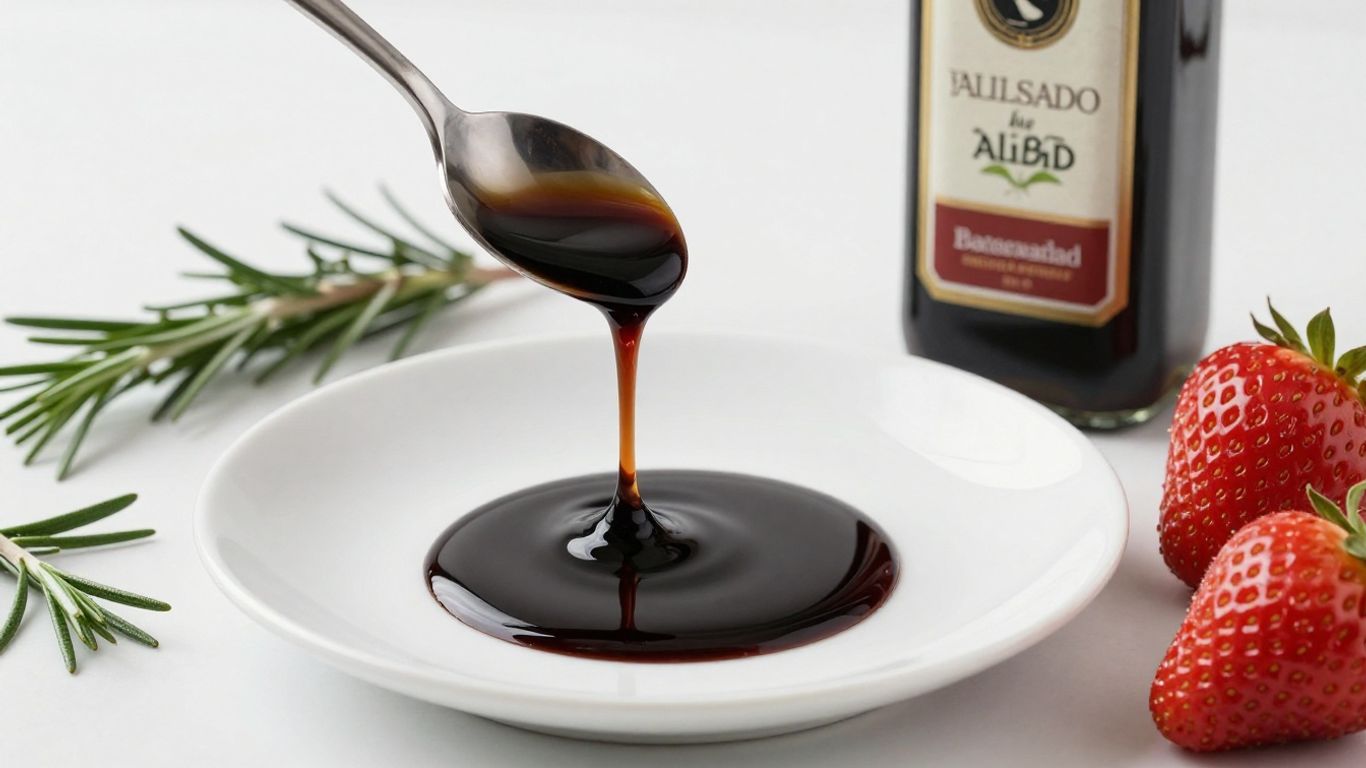
What Is Balsamic Glaze?
Balsamic glaze, sometimes called balsamic reduction, is basically just balsamic vinegar that's been cooked down. When you simmer balsamic vinegar, it gets thicker and a bit sweeter. It turns into this syrupy stuff that's great for drizzling. Some people add a little sugar or honey to it, which helps it get even thicker and balances out the tanginess. It's not super complicated, really.
Why Make Balsamic Glaze at Home?
You can totally buy balsamic glaze at the store, sure. But making it yourself is pretty simple and honestly, it tastes better. Plus, you know exactly what's in it – no weird additives or extra stuff you don't want. It's also way cheaper than buying the fancy stuff. You get to control how thick or sweet it is, too. It’s a nice little kitchen trick to have up your sleeve.
The Difference Between Balsamic Vinegar and Balsamic Glaze
Think of it like this: balsamic vinegar is the starting point, and balsamic glaze is what you get after you've done a little work on it. Regular balsamic vinegar is thinner, more like salad dressing liquid. Balsamic glaze is concentrated, syrupy, and has a more intense flavor. It's the difference between a regular juice and a syrup. You wouldn't put plain vinegar on your ice cream, right? But a drizzle of glaze? That works.
Here's a quick rundown:
- Balsamic Vinegar: Thinner, more acidic, used for dressings and marinades.
- Balsamic Glaze: Thicker, sweeter, syrupy, used for drizzling and finishing dishes.
Making your own balsamic glaze is a simple process that transforms a common pantry staple into a gourmet condiment. It's a fantastic way to add a touch of sophistication to everyday meals without much effort or expense.
Crafting Your Perfect Balsamic Glaze
Making your own balsamic glaze is surprisingly simple and way more rewarding than buying it pre-made. You get to control exactly how it tastes and how thick it gets. Plus, it's a great way to use up a bottle of balsamic vinegar that's been sitting around.
Selecting the Right Balsamic Vinegar
The quality of your starting balsamic vinegar really matters here. You don't need the super expensive, aged stuff, but avoid the cheapest bottles too. Look for balsamic vinegar that has a good balance of sweet and tangy. If you can find one labeled "Balsamic Vinegar of Modena," that's usually a good sign. It means it comes from a specific region in Italy and has a protected designation, which often means better quality. The color should be a deep, rich brown, not reddish or watery.
Essential Ingredients for Balsamic Glaze
Honestly, you only really need one ingredient: balsamic vinegar. But, depending on your taste and the vinegar you choose, you might want to add a little something extra.
- Balsamic Vinegar: The star of the show. About 2 cups is a good starting point.
- Sweetener (Optional): If your vinegar is very sharp or you prefer a sweeter glaze, you can add brown sugar, honey, or maple syrup. Start with about 1/4 cup for every 2 cups of vinegar and adjust from there.
- Flavorings (Optional): For a twist, consider adding a sprig of rosemary, a crushed garlic clove, or a strip of orange peel while it simmers. Just remember to remove them before storing.
Step-by-Step Reduction Process
This is where the magic happens. It's mostly just watching and waiting.
- Combine: Pour your balsamic vinegar into a medium saucepan. If you're using a sweetener, add it now and stir until it dissolves.
- Simmer: Place the saucepan over medium heat and bring the mixture to a gentle simmer. Don't let it boil rapidly. Once it's simmering, lower the heat to medium-low. You want a slow, steady bubble.
- Reduce: Let it simmer, stirring occasionally, for about 20-30 minutes. The goal is to reduce the liquid by about one-third to one-half. It should start to thicken.
- Check Consistency: This is the most important part. The glaze is ready when it coats the back of a spoon. When you tilt the spoon, it should drip off in a slow, syrupy stream, not quickly like water. Remember, it will thicken a lot more as it cools. If you accidentally reduce it too much and it gets too thick, you can always stir in a tablespoon or two of extra balsamic vinegar or water to thin it out.
- Cool and Store: Once it reaches the right consistency, remove the pan from the heat. Let it cool completely in the pan. As it cools, it will thicken further. Once cooled, pour it into an airtight container or a squeeze bottle for easy drizzling. Store it in the refrigerator.
Elevating Dishes with Balsamic Glaze
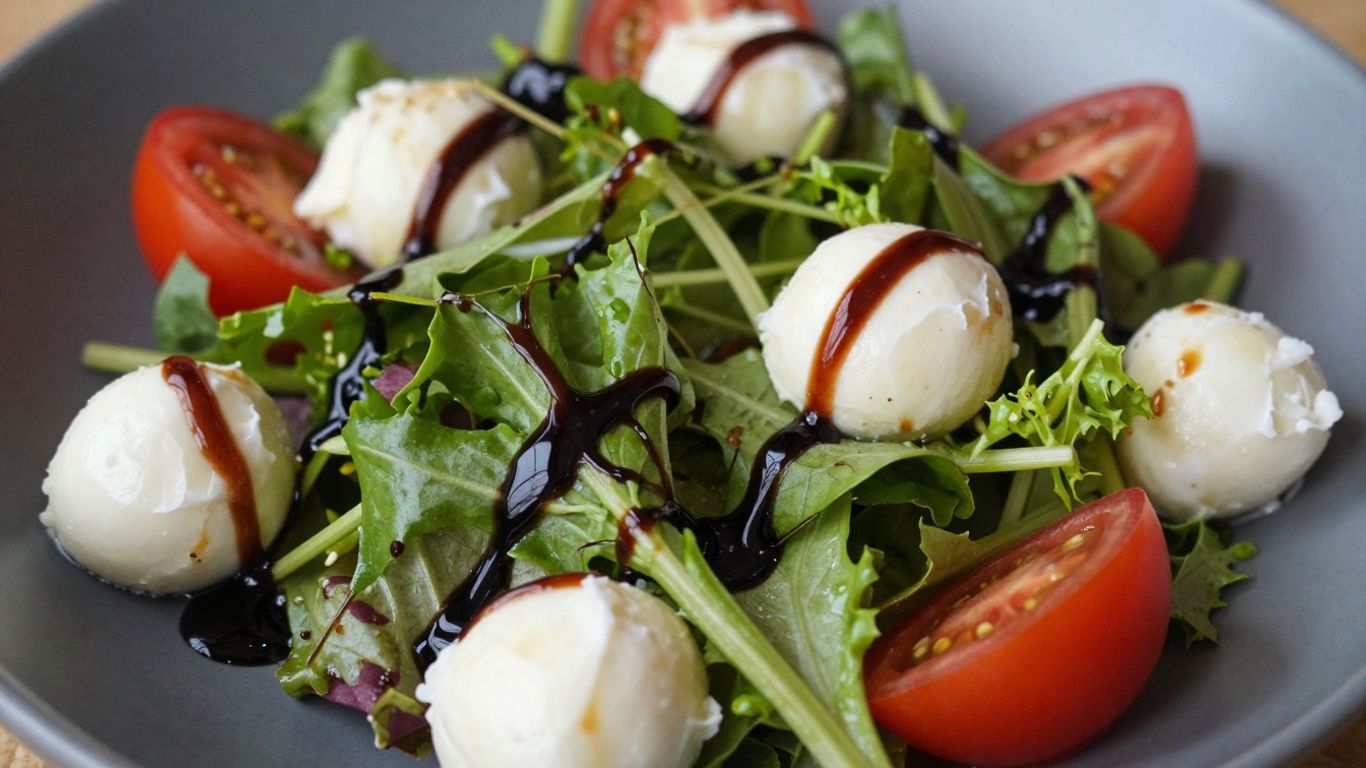
Balsamic glaze isn’t just for chefs in fancy kitchens; it’s simple and changes the way your everyday meals taste. Let’s get into how you can use this glossy, tangy-sweet sauce and make regular food feel a little special.
Savory Applications for Balsamic Glaze
Balsamic glaze works great as a finishing touch on all kinds of savory dishes.
- Drizzle over roasted vegetables: It works especially well on carrots, Brussels sprouts, and beets. The glaze gives a nice sweetness that pairs up with the roast flavor.
- Spoon onto grilled meats like chicken, pork, or steak for a shiny, sticky finish.
- Dress up a Caprese salad (mozzarella, tomatoes, basil) by zig-zagging the glaze over the top—suddenly, salad feels like restaurant food.
Don’t be shy with the glaze—sometimes just a small drizzle on your plate or bowl can make everything taste different and a bit more interesting.
Sweet Endings with Balsamic Glaze
It might sound odd, but balsamic glaze actually fits right in with desserts. Just one spoonful adds a pop of tartness and depth to a sweet treat.
Here are a few easy ideas:
- Pour over strawberries or mixed berries with a scoop of vanilla ice cream
- Swirl onto cheesecake right before serving
- Mix with sliced peaches or plums for a simple fruit dessert
| Dessert Idea | How to Use Balsamic Glaze |
|---|---|
| Vanilla ice cream | Drizzle lightly on top |
| Fresh strawberries | Toss with a spoonful |
| Cheesecake | Swirl before serving |
| Roasted figs | Brush before roasting |
Balsamic Glaze in Dressings and Marinades
Don’t overlook balsamic glaze as a shortcut for bold dressings or quick marinades. It speeds things up in the kitchen because it already packs both sweet and acidic notes.
- Just whisk with olive oil, a pinch of salt, and some crushed garlic for a last-minute salad dressing.
- Use as a glaze for roasted chicken thighs—paint on during the last 10 minutes of cooking.
- Add a spoonful to any vinaigrette recipe for more punch.
With only a few basic ingredients and a bottle of balsamic glaze, you can give store-bought salads and simple proteins a homemade spin in moments.
Tips for Balsamic Glaze Perfection
Making your own balsamic glaze is pretty straightforward, but a few little tricks can make a big difference. It’s all about getting that perfect consistency and flavor that makes your food sing.
Achieving the Ideal Consistency
Getting the thickness just right is probably the most important part. You want it syrupy, not watery, but also not so thick that it turns into a solid block when it cools. The glaze should coat the back of a spoon and drip off in a slow, steady stream.
Here’s a quick guide to what you’re aiming for:
- Too thin: It will run off your food and won't have that rich flavor concentration. You'll need to simmer it longer.
- Just right: It coats the spoon, feels a little sticky, and drips off slowly. It will thicken more as it cools.
- Too thick: It might burn or become bitter. If this happens, you can always stir in a tiny bit more balsamic vinegar or even a splash of water while it's still warm to loosen it up.
Remember, the glaze continues to thicken as it cools. So, if it seems a little thinner than you want when you take it off the heat, don't panic. It will likely be perfect once it reaches room temperature.
Flavor Variations and Additions
While plain balsamic glaze is fantastic, don't be afraid to play around with it. Adding other ingredients while the vinegar is simmering can create some really interesting flavor profiles.
- Herbs: Toss in a sprig of fresh rosemary or thyme during the last 10 minutes of simmering. Remove them before storing.
- Spices: A crushed garlic clove or a few peppercorns can add a subtle kick.
- Sweeteners: If your balsamic vinegar is quite tart, you might want to add a little brown sugar or honey. Start with a small amount and taste as you go.
- Citrus: A strip of orange or lemon peel simmered in the glaze can add a bright, fresh note.
Be mindful when adding extra ingredients. They can sometimes affect how the glaze reduces or its final texture. Always taste and adjust as you go, and remember to strain out any solids before you store your glaze.
Proper Storage for Longevity
Once you've made your perfect batch of balsamic glaze, you'll want to store it so it stays good for as long as possible. It’s pretty forgiving, but a little care goes a long way.
- Cool completely: Always let the glaze cool down to room temperature before putting it into a container.
- Airtight container: Use a glass jar, a squeeze bottle, or any container that seals well. This keeps it fresh and prevents it from absorbing other smells from your fridge.
- Where to store: You can keep it in the refrigerator or in a cool, dark cupboard. The fridge will make it thicken up more, which might be desirable depending on how you plan to use it. If it gets too firm in the fridge, just let it sit out for a bit or warm it gently.
Creative Culinary Uses for Balsamic Glaze
Gourmet Touches for Appetizers
Balsamic glaze is a fantastic way to add a little something extra to your appetizers. Think about drizzling it over a simple caprese skewer – the sweet and tangy notes really make the fresh mozzarella and tomatoes pop. It's also amazing on bruschetta. Instead of just plain tomatoes, try a mix of chopped tomatoes, basil, garlic, and a good drizzle of balsamic glaze. It gives it this rich, complex flavor that's just way better than plain. Even something as simple as a cheese board can be improved. A little swirl of glaze next to some sharp cheddar or creamy brie? Chef's kiss.
Enhancing Roasted and Grilled Foods
This is where balsamic glaze really shines, in my opinion. When you roast vegetables like Brussels sprouts, carrots, or even sweet potatoes, they get this lovely caramelization. A drizzle of balsamic glaze right at the end just takes that to another level. It adds a sticky sweetness that complements the roasted flavors perfectly. For grilled meats, it's a similar story. A glaze over grilled chicken, steak, or pork chops adds a beautiful sheen and a flavor boost that's hard to beat. It's not just for main courses either; think about grilled peaches or pineapple – the glaze makes them taste like a dessert.
Unexpected Dessert Pairings
Okay, this might sound a little out there at first, but trust me on this one. Balsamic glaze and desserts are a match made in heaven. It sounds weird, but the acidity and sweetness of the glaze cut through the richness of creamy desserts like cheesecake or panna cotta. It's also incredible over fresh berries or grilled fruit. My personal favorite? A scoop of good quality vanilla bean ice cream with a generous drizzle of balsamic glaze. The contrast is just amazing. It’s a simple trick that makes a store-bought dessert feel fancy.
Don't be afraid to experiment with balsamic glaze. Its versatility means it can transform simple ingredients into something special. A little goes a long way, adding depth and a touch of elegance to almost any dish you can think of.
Wrapping It Up
So there you have it! Making your own balsamic glaze is really not that complicated, is it? We went over how to whip up a batch right in your own kitchen, and talked about all the different ways you can use it. From jazzing up a simple salad to making grilled chicken taste extra special, this stuff is pretty handy. It’s one of those things that just makes food taste better without a lot of fuss. Give it a try, and don't be afraid to experiment with it on your favorite dishes. You might be surprised at how much you love having this little flavor booster around.
Frequently Asked Questions
What exactly is balsamic glaze?
Balsamic glaze, also called balsamic reduction, is basically balsamic vinegar that's been cooked down. This process makes it thicker and makes its natural sweet and tangy taste even stronger.
Can I really make this at home?
Absolutely! Making balsamic glaze at home is super simple. You usually only need balsamic vinegar, and sometimes a little bit of sugar or honey if you want it sweeter. It's much cheaper than buying it already made.
What kind of balsamic vinegar should I use?
You don't need to use the super fancy, expensive balsamic vinegar. A regular balsamic vinegar from the grocery store, especially one labeled 'Balsamic Vinegar of Modena,' works great. Just try to avoid ones with extra stuff like thickeners added.
How do I know when the glaze is ready?
The best way to tell is by its thickness. When it's done, it should coat the back of a spoon. It will also drip off the spoon in a slow, syrupy stream, not quickly like water. Remember, it gets thicker as it cools down.
What if my glaze gets too thick?
No worries if it thickens up too much! You can easily fix it. Just add a tiny bit more balsamic vinegar or even a splash of water and gently warm it up until it reaches the consistency you like.
How should I store balsamic glaze?
Once your glaze has cooled down completely, store it in an airtight container. You can keep it in the refrigerator or in a cupboard. It should last for a good while.


