


Making your own marinara sauce doesn't have to be a big deal. Seriously, it's way easier than you might think, and the taste difference is huge. Forget those jars from the store; we're going to explore some simple marinara recipes that will make your meals taste so much better. Whether you're cooking for a weeknight dinner or a special occasion, there's a marinara recipe out there for you. Let's get cooking and make some delicious sauces!
Key Takeaways
- Homemade marinara sauce tastes way better than store-bought.
- You can make a basic marinara sauce with just a few ingredients.
- Adding things like meat, wine, or different herbs can change up your marinara.
- Marinara sauce isn't just for pasta; it's good for other dishes too.
- Making marinara can be quick or take a bit more time, depending on what you need.
Mastering Classic Marinara Recipes
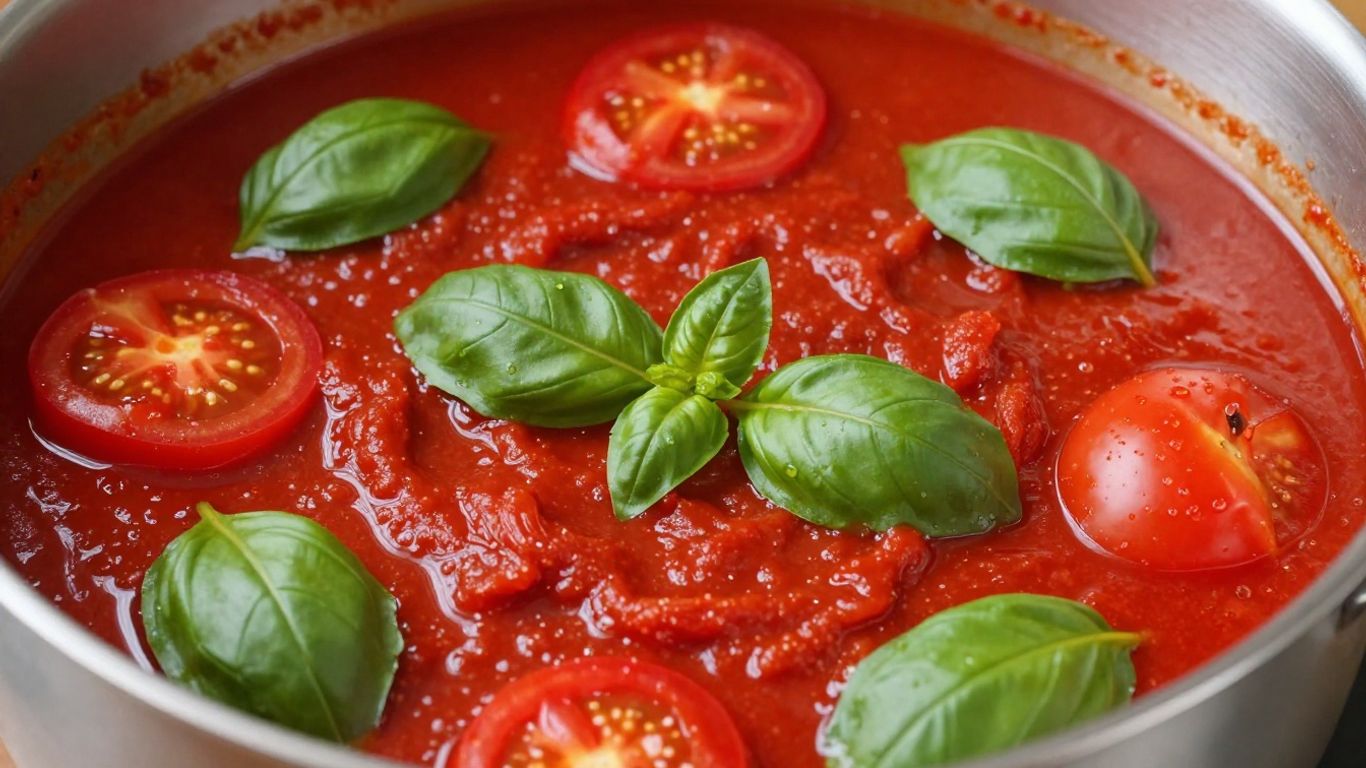
Making a great marinara sauce from scratch might seem a little intimidating at first, but honestly, it's pretty straightforward. It all comes down to a few key ingredients and a bit of patience. Forget those jars for a minute; the flavor you get from homemade is just on another level.
The Foundation of Flavor: Simple Tomato Sauce
The heart of any marinara is, of course, the tomatoes. While fresh tomatoes are great when they're in season, good quality canned tomatoes are often the best bet for consistency. San Marzano tomatoes, grown in Italy, are a popular choice because they have a great balance of sweetness and acidity, and they're not too watery. You can use whole peeled tomatoes and crush them yourself by hand – it's a simple step that really makes a difference. Just grab a can (around 28 ounces is a good starting point), open it up, and give them a good squeeze. It feels a bit old-school, but it works.
Elevating Your Marinara with Aromatics
Once you've got your tomatoes, it's time to build flavor with aromatics. This is where things start to get really interesting. You don't need a lot, just a few things to add depth.
- Garlic: A few cloves, smashed, will release their flavor into the oil without overpowering the sauce. You can even remove them later if you don't want big chunks.
- Onion: A small onion, maybe red or yellow, adds a touch of sweetness.
- Herbs: Dried oregano or thyme are good to add early on.
Sautéing these gently in olive oil before adding the tomatoes is key. You want them to soften and become fragrant, not brown and bitter.
Achieving the Perfect Marinara Texture
Texture is really a matter of personal preference. Some people like a chunky sauce, while others prefer it super smooth. If you're using whole canned tomatoes and crushed them by hand, you'll naturally have a bit of texture. If you want it smoother, you can use an immersion blender to pulse the sauce a few times until it's just right. It's amazing how much control you have over the final result compared to store-bought.
The beauty of making your own marinara is the ability to tweak it. If it tastes a little too acidic, a tiny pinch of sugar can balance it out. If it needs more depth, a splash of red wine during the cooking process can work wonders. It's all about tasting and adjusting as you go.
Hearty Marinara Recipes for Family Dinners
When it comes to feeding a crowd, especially the family, you want dishes that are satisfying, flavorful, and make everyone feel good. Marinara sauce is a fantastic base for these kinds of meals, offering comfort and deliciousness in every bite. We're going to look at a few ways to make your marinara truly shine for those big family dinners.
Classic Marinara with Meatballs
This is a go-to for a reason. Tender meatballs swimming in a rich marinara sauce over a bed of spaghetti is a classic for a reason. The key here is to get the meatballs just right – not too dense, not too crumbly. A good mix of ground beef and pork often gives the best texture and flavor. Don't be afraid to add some finely chopped onion and garlic to the meat mixture, along with some dried herbs like oregano or parsley. Baking the meatballs before adding them to the sauce can help them hold their shape and develop a nice crust.
- Meatball Mix-ins:
- Ground beef (50/50 with pork is great)
- Breadcrumbs (plain or Italian seasoned)
- Egg (as a binder)
- Finely minced onion and garlic
- Dried Italian herbs (oregano, basil, parsley)
- Salt and pepper
Rich Meat Sauce for Spaghetti Lovers
Sometimes, you want the sauce itself to be the star, packed with savory meat. This isn't just a simple marinara; it's a slow-simmered meat sauce that coats every strand of spaghetti. Think finely ground beef or a mix of beef and Italian sausage, browned and then simmered for a good long while with your tomato base. The longer it cooks, the deeper the flavors get. Adding a splash of red wine during the simmering process can really add another layer of complexity. This kind of sauce is perfect for those chilly evenings when everyone just wants something warm and filling.
A truly great meat sauce needs time. Don't rush the simmering process; let those flavors meld and deepen. It's worth the wait for that rich, satisfying taste that makes a simple pasta dish feel like a feast.
Savory Bolognese Marinara Variations
Bolognese is a cousin to the classic meat sauce, but it often has a richer, more complex profile, sometimes including ingredients like pancetta or a finer grind of meat. It's traditionally served with wider pasta shapes like tagliatelle, which hold the hearty sauce beautifully. The process usually involves sautéing finely diced vegetables (soffritto – onion, celery, carrot) before adding the meat and then simmering with tomatoes and often milk or cream for extra richness. It's a bit more involved, but the result is a deeply flavorful sauce that feels incredibly special.
| Ingredient Focus | Traditional Bolognese Elements |
|---|---|
| Meat | Ground beef, pork, pancetta |
| Vegetables | Onion, celery, carrot |
| Liquid | Tomatoes, milk/cream, wine |
| Pasta Pairing | Tagliatelle, pappardelle |
Quick & Easy Marinara Solutions
When dinner sneaks up on you, but you still want something homemade, marinara doesn’t have to be slow or complex. These recipes get you fresh flavor fast, even after a long day. Get ready to see just how quick and satisfying a good marinara can be.
Speedy Weeknight Marinara
Making a quick sauce after work isn’t just possible—it can be downright easy!
- Sauté diced onion and minced garlic in olive oil for two minutes.
- Pour in a can of crushed tomatoes and season with salt, pepper, and oregano.
- Simmer the sauce for 10–15 minutes, adjusting seasoning as you like.
Tip: If you want a little extra depth, throw in a splash of balsamic vinegar or a couple pinches of chili flakes. Taste and tweak until it’s just right.
Minimalist Pomodoro Sauce
Pomodoro is all about keeping things bare-bones—just the clean taste of tomatoes, a hint of garlic, and some basil. No fancy steps or endless stirring.
- Use a can of peeled tomatoes (San Marzano if you can find them)
- Smash a couple garlic cloves and gently cook them in olive oil, then add the tomatoes (break them up by hand or with a spoon)
- Let everything bubble away for about 20 minutes
- Season with salt and pluck out the garlic before serving
Sometimes the best dinners are the ones where you do the least. Let the tomatoes do their thing and let yourself enjoy the simplicity.
Using Canned Tomatoes for Convenience
Canned tomatoes keep things easy and budget-friendly, and you’d be surprised at how many restaurant kitchens use them too.
| Type of Canned Tomato | Taste Profile | Best Use |
|---|---|---|
| Crushed | Smooth, Slightly Sweet | Quick sauces, pizza |
| Whole Peeled | Bright, Classic | Pomodoro, chunky sauce |
| Tomato Puree | Thick, Deep | Hearty or meat sauces |
- Always taste your sauce: some canned tomatoes are more tart and need a pinch of sugar.
- Rinsing the tomatoes can get rid of extra acidity if you want a milder sauce.
- You control the texture: mash with a spoon for chunky or blend for smooth.
Whether you’re making a full dinner, a fast lunch, or just a dipping sauce, marinara doesn’t need to be a project. Quick, tasty, and never boring—that’s what you want on a busy night.
Gourmet Marinara Twists
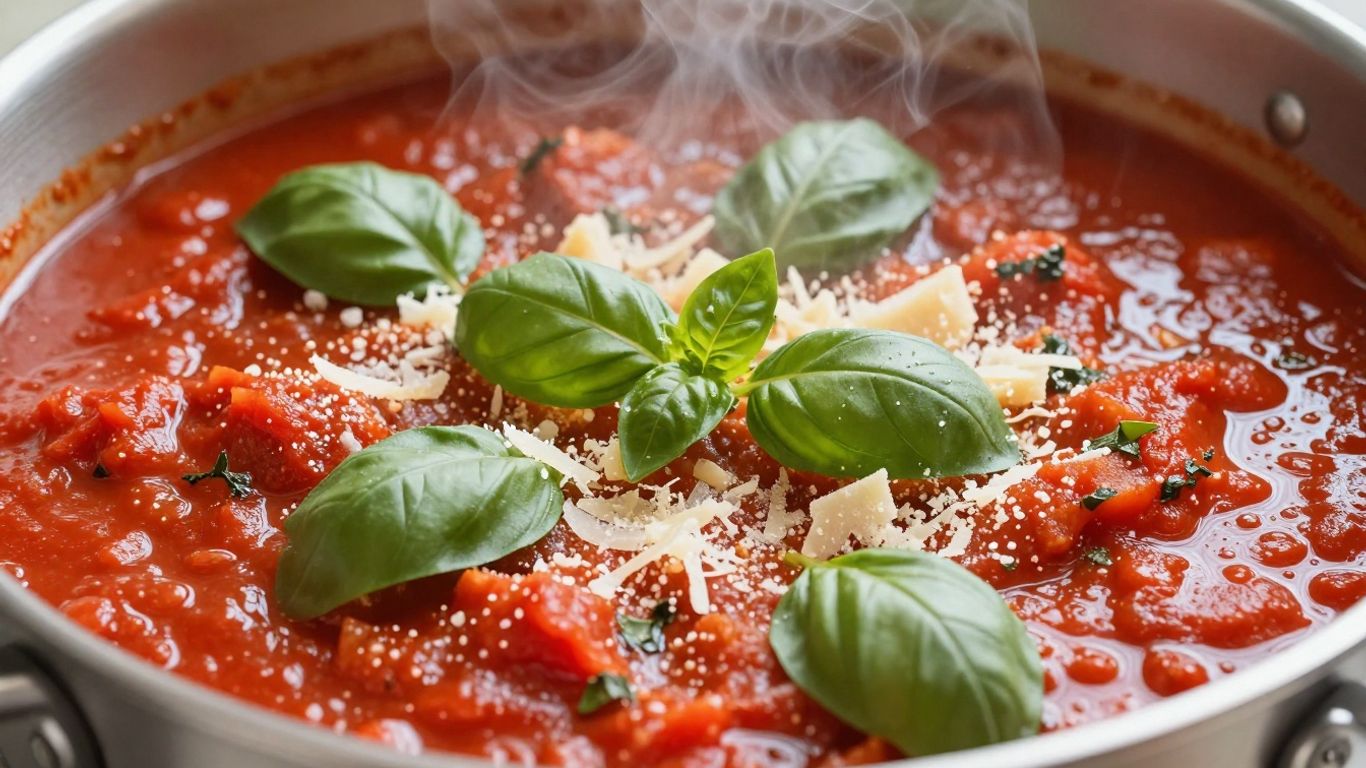
Sometimes, you just want to take your marinara sauce from good to absolutely amazing. It’s not about reinventing the wheel, but adding those little touches that make a big difference. These gourmet twists are perfect for when you want to impress or just treat yourself to something a little more special.
Adding a Touch of Wine to Marinara
Wine in sauce? Absolutely. It adds a depth of flavor that’s hard to achieve otherwise. Red wine, like a Chianti or a Merlot, works wonderfully for a richer sauce, while a dry white wine can brighten up a lighter version. The key is to let the wine reduce properly, cooking off the alcohol and leaving behind just the concentrated flavor. You don't need a fancy bottle; a decent, drinkable wine is perfectly fine. Just a splash can really transform your sauce.
Here's a simple way to incorporate wine:
- Sauté your aromatics (garlic, onion) as usual.
- Add about 1/2 cup of your chosen wine to the pan.
- Let it simmer and reduce by about half, scraping up any browned bits from the bottom of the pan.
- Proceed with adding your tomatoes and other ingredients.
Spicy Marinara with Red Pepper Flakes
For those who like a little heat, a pinch of red pepper flakes is your best friend. It’s a simple addition that brings a pleasant warmth without overpowering the other flavors. You can add them when you sauté your garlic and onions to let the flavor bloom in the oil, or stir them in towards the end for a more direct kick. The amount you use is totally up to your spice preference. Start small, maybe 1/4 teaspoon, and add more if you dare!
Herbal Infusions with Fresh Basil
Fresh herbs are a game-changer for any sauce, and basil is the classic partner for marinara. While dried basil is okay in a pinch, fresh basil leaves added towards the end of cooking, or even stirred in right before serving, offer a bright, aromatic finish. Don't chop it too finely; tearing the leaves releases their oils beautifully. You can also experiment with other herbs like oregano, thyme, or a little bit of rosemary, but use those sparingly as they can be quite potent. A mix of fresh basil and parsley is always a winner. For a truly restaurant-quality sauce, consider using a good quality Rao's Pasta Sauce as a base and then adding your fresh herbs.
Adding a touch of richness can also be achieved with a small amount of butter stirred in at the very end. It gives the sauce a lovely sheen and a smoother mouthfeel, making it feel extra luxurious.
Beyond Pasta: Versatile Marinara Uses
Marinara sauce is a kitchen superhero, and it’s not just for spaghetti. Think of it as a flavor base that can transform a bunch of other dishes. Seriously, once you’ve got a good batch of marinara ready to go, either homemade or a quality store-bought one, the possibilities open up.
Marinara for Lasagna Classico
Lasagna is a classic for a reason, and a good marinara is the heart of it. You’ll want a slightly thicker marinara for lasagna, one that holds its own between layers of pasta, cheese, and fillings. Some people like to add a bit more richness, maybe with a touch of cream or a splash of red wine simmered into the sauce. The key is a robust flavor that complements the other ingredients without getting lost.
Dipping Sauces and Appetizers
Who says marinara is only for main courses? It makes a fantastic dipping sauce for all sorts of appetizers. Think mozzarella sticks, fried ravioli, or even some crispy chicken tenders. You can even jazz it up a bit for a party. A little swirl of pesto, a sprinkle of red pepper flakes, or some fresh herbs can make your marinara dip feel extra special.
Here are a few ideas:
- Mozzarella Sticks: A classic pairing that never fails.
- Garlic Bread: Dip crusty bread into warm marinara for a simple yet satisfying bite.
- Mini Meatballs: Simmer small meatballs directly in marinara for an easy appetizer.
- Arancini: These fried risotto balls are amazing with a side of marinara for dipping.
Marinara as a Base for Other Dishes
Marinara’s versatility really shines when you use it as a starting point for other meals. It’s perfect for shakshuka, where eggs are poached directly in the sauce. You can also use it as a base for a quick pizza sauce or even to add flavor to a hearty bean soup. The depth of flavor from the tomatoes and aromatics provides a solid foundation that you can build upon.
When using marinara as a base, consider its consistency. A thinner sauce might be better for poaching eggs, while a thicker one works well for baked dishes. Adjusting the seasoning based on what you're adding is also a good idea; a pinch of sugar can balance acidity, and a dash of hot sauce can add a kick.
So next time you make a batch of marinara, remember it’s not just for pasta night. It’s a multi-purpose flavor booster waiting to be used in all sorts of delicious ways.
Your Marinara Adventure Awaits
So there you have it! We've gone through a few ways to make a really good marinara sauce, from a quick weeknight fix to something a bit more involved for when you have extra time. It’s not as hard as you might think, right? Making your own sauce means you get to control exactly what goes in it, and honestly, it just tastes better. Whether you’re whipping up a simple pasta dish, making meatballs, or even layering a lasagna, a homemade marinara makes all the difference. Don't be afraid to play around with the ingredients and find what you like best. Happy cooking!
Frequently Asked Questions
What makes a marinara sauce taste so good?
A great marinara sauce gets its amazing taste from good quality tomatoes, like San Marzano ones, which are naturally sweet and less watery. Adding things like fresh garlic, onions, and herbs such as basil and oregano really wakes up the flavor. Cooking it slowly also helps all those yummy tastes blend together perfectly.
Can I use canned tomatoes for marinara sauce?
Absolutely! Canned tomatoes are actually a fantastic choice for marinara sauce. They are picked when they're perfectly ripe and taste great year-round. Using good quality canned tomatoes, especially whole peeled ones, will give you a rich and flavorful sauce.
How do I make my marinara sauce thicker?
To get a thicker sauce, you can let it simmer uncovered for a longer time. This lets extra water cook out, making the sauce richer. Another trick is to add a little bit of tomato paste, which is super concentrated tomato flavor and helps thicken things up nicely.
What's the difference between marinara and Pomodoro sauce?
Marinara sauce is usually cooked longer and can have more ingredients like onions and sometimes even meat. Pomodoro sauce, on the other hand, is simpler and quicker to make. It really focuses on the pure tomato flavor, often with just garlic, basil, and maybe a touch of onion or carrot that gets removed later.
Can I add meat to my marinara sauce?
Yes, you totally can! Adding cooked ground meat like beef, pork, or turkey makes a hearty meat sauce. You can also add meatballs for a classic dish. For a richer sauce, some recipes even include ingredients like pancetta.
What else can I use marinara sauce for besides pasta?
Marinara sauce is super versatile! It's great for layering in lasagna, as a dipping sauce for mozzarella sticks or breadsticks, or as a base for pizzas. You can also use it in dishes like chicken or eggplant parmesan, or even as a sauce for baked ziti.


