


Making your own marinara sauce from scratch might sound like a lot of work, but honestly, it's pretty simple. You probably have most of the stuff you need in your pantry right now. This marinara sauce recipe is great because it's super flexible. You can use it for pasta, obviously, but it's also good for dipping, on pizzas, or in other Italian dishes. It's way better than the stuff from a jar, and once you try it, you'll see why.
Key Takeaways
- A good marinara sauce recipe relies on quality ingredients, especially tomatoes. San Marzano tomatoes are often recommended for their flavor and lower acidity.
- Aromatics like onions and garlic are important for building flavor, and fresh herbs like basil and parsley add brightness, usually added near the end of cooking.
- Simmering time matters; a shorter simmer yields a fresher taste, while a longer one develops deeper flavors. Aim for at least 20-30 minutes for a basic sauce.
- Balancing the sauce's flavor is key. Adjust acidity and sweetness with a pinch of sugar if needed, and always taste and season with salt and pepper.
- Homemade marinara sauce stores well in the fridge for about 5 days or can be frozen for up to 3 months, making it convenient for future meals.
Crafting Your Perfect Marinara Sauce Recipe
Making your own marinara sauce from scratch might sound like a lot of work, but honestly, it’s pretty straightforward and way better than anything from a jar. The real magic happens when you start with good ingredients and give them a little time to get friendly with each other. This section is all about setting you up for success, covering the basics so your sauce is a winner every time.
Essential Ingredients for Authentic Flavor
To get that true, homemade taste, you don't need a ton of fancy stuff. It’s more about quality over quantity. Think of these as your building blocks for a sauce that tastes like it simmered all day, even if it didn't.
- Good Olive Oil: Don't skimp here. A decent extra virgin olive oil adds a nice base flavor.
- Aromatics: Garlic is a must. Some people add onion too, which brings a subtle sweetness.
- Tomatoes: This is the star. We'll get into the best kinds in a sec.
- Herbs: Fresh basil is fantastic, but dried oregano works too.
- Seasoning: Salt is key to bringing out all the other flavors. A pinch of sugar can balance acidity if needed.
Choosing the Best Tomatoes for Marinara
This is probably the most important decision you'll make. The tomatoes are the heart of your sauce, so picking the right ones makes a huge difference. While fresh tomatoes sound great, canned tomatoes often give you a more consistent and intense flavor, especially year-round. Look for whole peeled San Marzano tomatoes if you can find them; they're known for their sweet taste and lower acidity, which is perfect for marinara. If whole peeled aren't available, good quality crushed tomatoes are a solid second choice. The quality of your tomatoes directly impacts the final taste of your sauce.
The Role of Aromatics and Herbs
Garlic and onions are your flavor foundation. When you sauté them gently in olive oil, they release their natural sweetness and fragrance. This step is quick but important. Don't rush it! Let the garlic get fragrant but don't let it burn, or it'll turn bitter. Herbs add that signature Italian flair. Fresh basil stirred in towards the end adds a bright, fresh note, while dried oregano cooked into the sauce provides a deeper, more robust herbal background. You can even experiment with a pinch of red pepper flakes for a little warmth if that's your thing. It’s all about building layers of flavor, and these simple additions really make your marinara sing. You can find some great recipes that use marinara to get ideas for how to use your homemade sauce.
Mastering the Marinara Sauce Simmer
So, you've got your ingredients prepped and ready to go. Now comes the part where the magic really happens: the simmer. This isn't just about letting the sauce sit on the stove; it's about coaxing out all those amazing flavors and letting them get to know each other. The simmer time is where your marinara transforms from a collection of ingredients into a rich, cohesive sauce.
Achieving the Ideal Simmer Time
When it comes to simmering, patience is key. Most marinara sauces benefit from a good 30 minutes on the stovetop. This allows the tomatoes to break down further, the aromatics to soften and meld, and the flavors to deepen. You're looking for a gentle bubbling, not a rolling boil. A too-vigorous simmer can make the sauce too thick too quickly or even scorch the bottom.
Here's a general idea of what to expect:
- Initial Simmer (15-20 minutes): The sauce will start to thicken and the raw tomato taste will mellow.
- Mid-Simmer (20-30 minutes): Flavors begin to meld. You might notice the color deepening.
- Final Simmer (30+ minutes): The sauce should have a nice consistency and a well-rounded flavor. Some recipes might go longer, but for a classic marinara, 30 minutes is a great starting point. You can always simmer a bit longer if you prefer a thicker sauce.
Layering Flavors for Depth
Think of simmering as a process of building layers. You start with the base – the tomatoes and aromatics. As it simmers, those initial flavors start to combine. Adding ingredients at the right time is part of this layering. For instance, adding dried herbs early allows them to rehydrate and release their oils into the sauce. Fresh herbs, on the other hand, are usually added at the end to keep their bright flavor. This careful timing helps create a more complex taste profile. It's a bit like building a great recipe from the ground up.
The goal of simmering is to allow the ingredients to meld and develop a rich, balanced flavor. It's not just about cooking the tomatoes; it's about letting the garlic, onions, herbs, and even the tomato paste become one harmonious blend. A good simmer means the sauce tastes like more than just the sum of its parts.
Tips for a Rich and Thick Marinara
Want that perfect, luscious texture? Here are a few tricks:
- Tomato Paste: Adding a bit of tomato paste early on, before the crushed tomatoes, can add a concentrated tomato flavor and help thicken the sauce. Sautéing it briefly can deepen its taste.
- Crushing Tomatoes: If you're using whole peeled tomatoes, crushing them by hand before adding them to the pot helps create a better texture. This is a step that really makes a difference in the final sauce.
- Simmering Lid: You can control the thickness by how you cover the pot. Simmering with the lid slightly ajar allows steam to escape, which helps the sauce reduce and thicken. If you want a thinner sauce, keep the lid on more.
- Non-Reactive Cookware: Always use a pot made of stainless steel, enameled cast iron, or ceramic. These materials won't react with the acidity of the tomatoes, preventing a metallic taste and keeping your sauce its beautiful red color. This is a small detail, but it matters for the final flavor. You can find quick and easy marinara recipes that still benefit from this tip.
Elevating Your Marinara Sauce
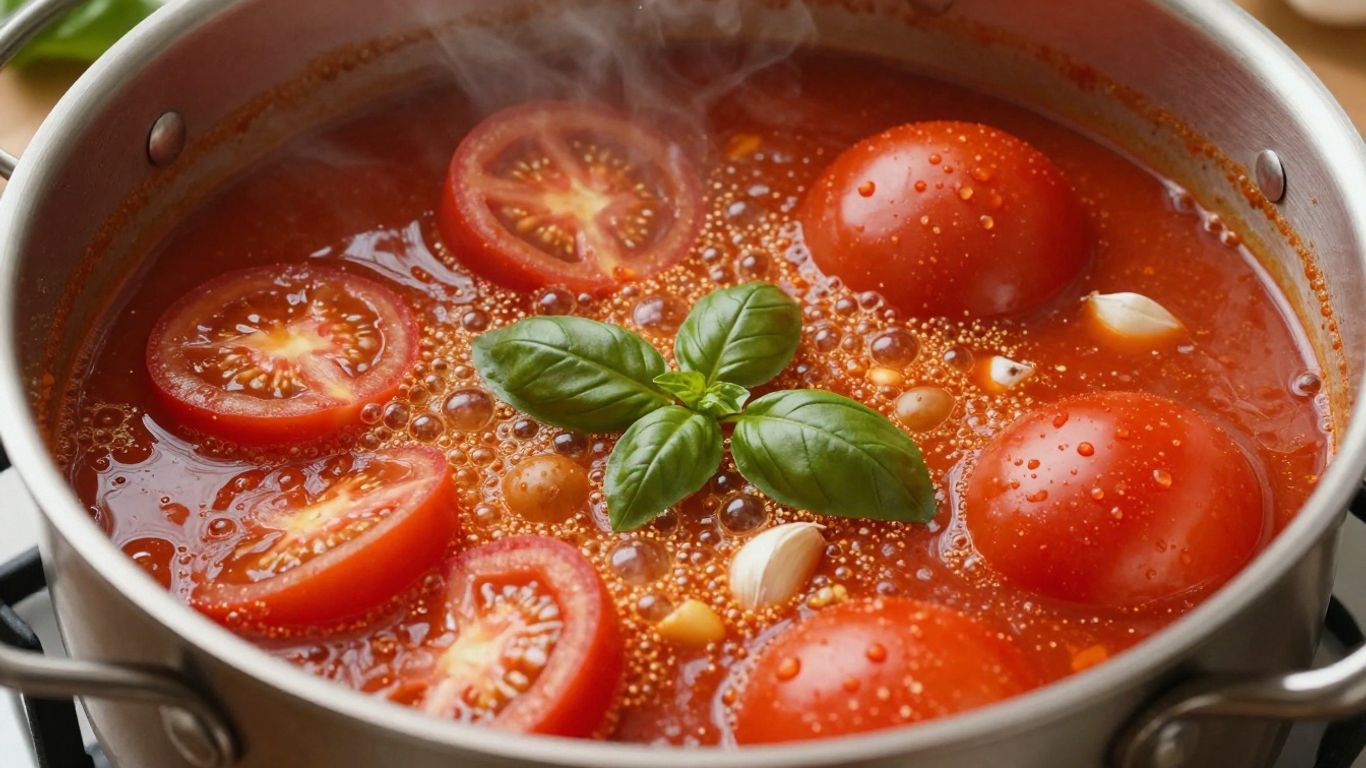
So, you've got a solid marinara base going. That's great! But what if you want to take it from 'good' to 'wow, what's in this?' There are a few tricks that can really make your sauce sing. It's all about adding those little touches that build complexity and make people ask for the recipe.
The Secret Ingredient for Umami
Umami is that savory, satisfying taste that makes food so addictive. For marinara, a little something extra can go a long way. While some might shy away from it, a tiny bit of MSG can seriously boost the tomato flavor. It's not about making it taste 'artificial,' but rather about amplifying the natural goodness already there. Another fantastic option is fish sauce. Don't worry, it won't make your sauce taste fishy! Just a teaspoon or two stirred in during the simmering process adds a deep, savory note that's hard to pinpoint but incredibly delicious. It’s a trick many chefs use to add depth to sauces.
Incorporating Wine for Complexity
Adding wine to your marinara isn't just for show; it actually does a lot for the flavor. When you add wine, especially a dry red like Chianti or a dry white like Pinot Grigio, and let it simmer down, it cooks off the alcohol but leaves behind all those complex flavor compounds. This adds a layer of richness and a subtle tang that you just can't get otherwise. It's a simple step that makes a big difference, especially if you're aiming for a sauce that tastes like it simmered for hours.
Adding Fresh Herbs at the Right Time
Herbs are where marinara really gets its fresh, vibrant character. While dried herbs are great for simmering, adding fresh herbs at the end is a game-changer. Think about basil, parsley, or even a little oregano. Chop them up finely and stir them in right before you serve the sauce, or even just before you turn off the heat. This keeps their bright, fresh flavor intact. If you add them too early, they can lose their punch. It's a small detail, but it makes your sauce taste so much more alive.
Here's a quick guide on when to add different herbs:
- During Simmering: Dried herbs like oregano, thyme, or bay leaves. They need time to release their flavor.
- Near the End (last 15-20 minutes): Hardy fresh herbs like rosemary or sage, finely chopped.
- Right Before Serving: Delicate fresh herbs like basil, parsley, chives, or dill. These add a burst of freshness.
Sometimes, the simplest additions make the biggest impact. Don't be afraid to experiment with a splash of wine or a dash of something unexpected to see how it transforms your sauce. It's all part of the fun of cooking.
Troubleshooting and Enhancing Your Marinara
Sometimes, even with the best intentions, your homemade marinara might need a little tweak. Don't worry, it happens to the best of us! Getting that perfect balance of flavors can be a bit of an art, but with a few simple tricks, you can rescue or even improve your sauce.
Balancing Acidity and Sweetness
Tomatoes, especially canned ones, can vary a lot in their natural acidity. If your sauce tastes a little too sharp or tangy, there are a couple of ways to smooth it out. A common trick is to add a pinch of sugar. Start with just half a teaspoon and taste. You can always add more if needed. Another method, which adds a subtle sweetness and can also help thicken the sauce a bit, is to simmer a peeled carrot in the sauce for a while. Just remember to remove the carrot before serving. If you're looking to add a bit more complexity while balancing acidity, a splash of red wine can work wonders, letting it simmer for a few minutes to cook off the alcohol.
Adjusting Seasoning for Perfect Taste
Seasoning is where you really make the sauce sing. If your marinara tastes a bit flat, like it's missing something, it probably needs more salt. Salt doesn't just make things salty; it actually brings out all the other flavors in the sauce. So, don't be shy with it, but add it gradually and taste as you go. Black pepper is a given, but sometimes a tiny pinch of red pepper flakes can add a nice little warmth that livens everything up. If you're using dried herbs, make sure they've had enough time to release their flavor. For a quick flavor boost, adding fresh herbs like basil or parsley right at the end, just before serving, makes a big difference.
Transforming Marinara into Pizza Sauce
Did you know you can easily turn your delicious marinara into a fantastic pizza sauce? It's simpler than you might think. The main difference is that pizza sauce is usually thicker and smoother than marinara. To achieve this, you'll want to add a bit more tomato paste to concentrate the flavor and thicken it up. A little extra dried oregano can also give it that classic pizza flavor. If you have a food processor or blender, give the sauce a quick pulse or two to get a smoother consistency. This thicker, more concentrated sauce won't make your pizza crust soggy. You can also try adding a touch of butter towards the end of simmering for extra richness, similar to how some chefs prepare their sauces.
Sometimes, the simplest adjustments make the biggest impact. Don't be afraid to taste and tweak your sauce throughout the cooking process. It's your sauce, after all, so make it taste exactly how you like it!
Storing and Reheating Your Homemade Marinara
So you’ve made a big batch of this amazing marinara sauce, and now you’re wondering what to do with the leftovers. Don't worry, keeping it fresh and tasty for later is super simple. Proper storage is key to enjoying your hard work for days to come.
Proper Refrigeration Techniques
Once your marinara has cooled down completely to room temperature – and this is important, don't put hot sauce in the fridge! – transfer it to an airtight container. Glass jars with tight-fitting lids work great, or you can use good quality plastic containers. In the refrigerator, your sauce should stay good for about 3 to 5 days. Some people find that tomato sauce can stain certain plastic containers, so if that's a concern, sticking to glass is a good idea. For longer storage, check out our freezing tips.
Freezing for Future Use
If you’ve made a truly massive batch or just want to have some on hand for a quick weeknight meal, freezing is your best friend. Let the sauce cool completely, then portion it into freezer-safe containers or heavy-duty zip-top bags. Make sure to leave a little bit of headspace in the container, as liquids expand when they freeze. Laying the bags flat in the freezer helps them stack nicely and thaw faster later. Frozen marinara is best used within about 3 months, though it can last longer.
Tips for Reheating Without Compromising Flavor
When you're ready to enjoy your sauce again, the best way to reheat it is gently on the stovetop. Thaw frozen sauce in the refrigerator overnight if possible. If you're in a hurry, you can speed up the thawing process by placing the sealed bag in a bowl of warm water for about 15-20 minutes. Pour the sauce into a saucepan over low heat. Stir it frequently to prevent sticking and ensure even heating. If the sauce seems a bit too thick after thawing and reheating, just add a tiny splash of water or broth to loosen it up. Avoid high heat, as this can make the sauce taste scorched or change its texture.
Reheating on the stovetop over low heat is the most recommended method. It allows you to control the temperature and stir the sauce, preventing it from burning and preserving its fresh flavor. Adding a little liquid if it's too thick is a simple trick that makes a big difference.
Here's a quick guide for storage times:
| Storage Method | Duration |
|---|---|
| Refrigeration | 3-5 days |
| Freezing | Up to 3 months |
Remember, homemade sauce doesn't have the preservatives of store-bought versions, so paying attention to these storage guidelines is important for food safety and taste. You can find more information on refrigerating opened jars if you're comparing methods.
Versatile Uses for Your Marinara Sauce
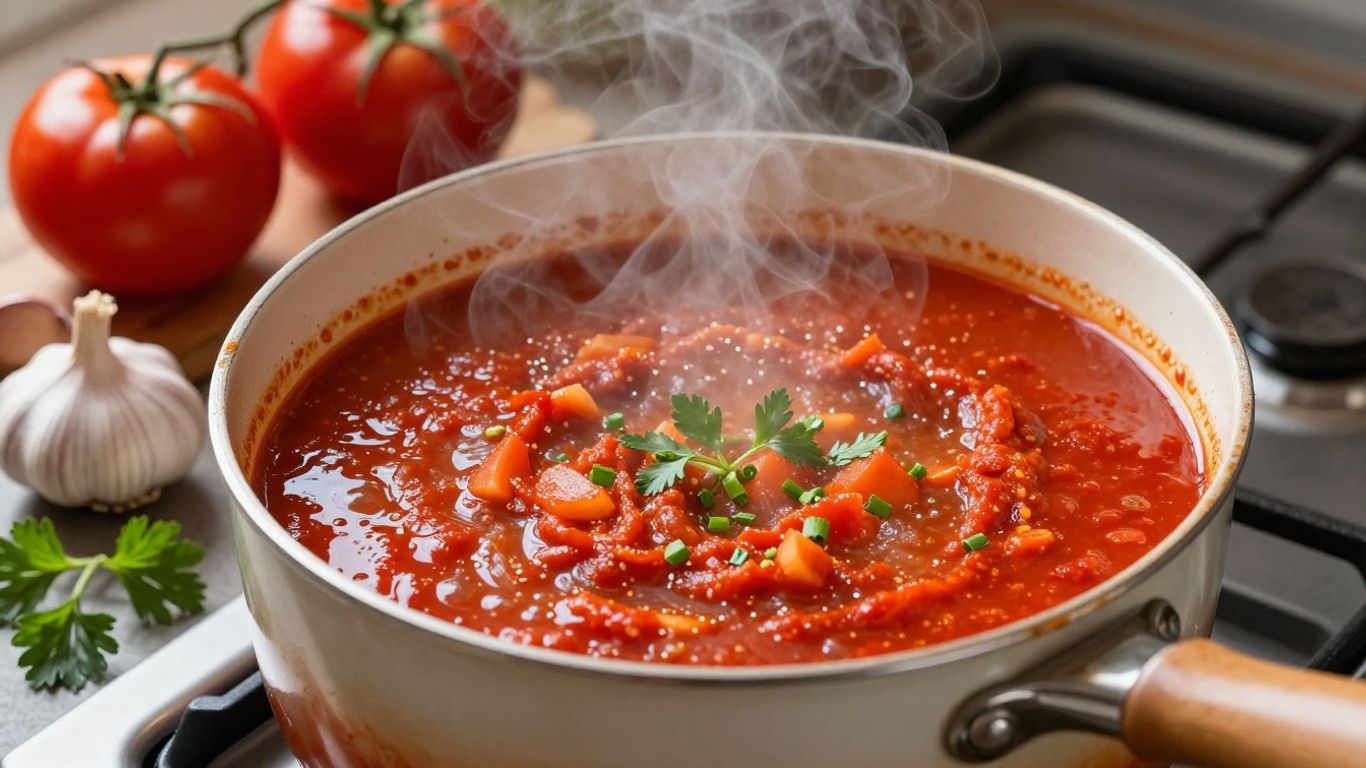
So, you've made a big batch of this amazing marinara sauce. Awesome! Now, what do you do with it besides just tossing it with pasta? Turns out, this sauce is a real kitchen workhorse. It's not just for spaghetti night, though that's always a good time. Think of it as your secret weapon for adding a burst of fresh, tomatoey goodness to all sorts of dishes.
Classic Pasta Dishes
Okay, let's get the obvious out of the way. This marinara is fantastic with any kind of pasta. We're talking spaghetti, linguine, penne, rigatoni – you name it. But don't stop there. It's also the star in baked pasta dishes like lasagna and baked ziti. Layer it up with noodles, cheese, and maybe some ricotta, and you've got a winner. It's also great for stuffed shells or manicotti, giving those pasta pockets a rich, flavorful filling.
Italian-American Favorites
This sauce is practically a requirement for many beloved Italian-American classics. Chicken Parmesan and Eggplant Parmesan wouldn't be the same without a generous slathering of marinara. It's also the base for hearty meatball subs or even a simple meatball appetizer. And if you're feeling adventurous, it can even be the foundation for a quick and easy pizza sauce. Just a little tweak, maybe some extra oregano and a bit of tomato paste, and you're ready to top your dough.
Beyond Pasta: Creative Applications
This is where things get really fun. Your marinara sauce can go way beyond the usual suspects. It's surprisingly good in soups, like a hearty minestrone or even as a base for a quick gazpacho. Try it spooned over grilled polenta or even as a base for shakshuka, where eggs are poached right in the sauce. It's also a great dipping sauce for mozzarella sticks, fried ravioli, or even chicken tenders. You can even use it in casseroles or as a flavorful addition to rice dishes. Honestly, if a dish needs a little tomato flavor and some depth, your homemade marinara is probably the answer. It's a great way to use up any extra sauce you might have, turning simple ingredients into something special. You can find some really interesting ideas for using marinara in dishes like crespelle or caponata sandwiches.
Remember, the beauty of homemade marinara is its adaptability. Don't be afraid to experiment! Taste as you go and adjust seasonings to fit the dish you're making. It's all about making it work for you and your family.
Enjoy Your Delicious Homemade Marinara!
So there you have it – a super simple, really tasty marinara sauce that you can whip up without much fuss. It’s honestly way better than anything you’d find in a jar at the store, and you know exactly what’s going into it. Whether you’re making a big lasagna, some quick pasta with meatballs, or even just dipping some bread, this sauce is going to be your new best friend in the kitchen. Give it a try, and I bet you’ll be making it again and again.
Frequently Asked Questions
What's the main difference between marinara sauce and other pasta sauces?
Marinara sauce is a quick and fresh-tasting tomato sauce. It's usually made with just tomatoes, garlic, onions, and herbs. Unlike some other pasta sauces, it doesn't typically have meat or lots of extra veggies, and it cooks pretty fast, usually in less than 30 minutes.
Should I use fresh or canned tomatoes for marinara sauce?
Canned tomatoes are often recommended because they give you a consistent flavor and texture all year round, and they save you time. For the best taste, look for good quality canned tomatoes, like San Marzano tomatoes, which are known for being sweet and not too acidic.
How long should marinara sauce simmer?
For a quick and fresh marinara, a simmer of about 15-25 minutes is usually enough. If you want to develop deeper flavors, you can let it simmer longer, even up to a couple of hours, but it's not always necessary for a basic marinara.
Why does my marinara sauce taste too acidic?
Tomatoes can sometimes be a bit too tart. If your sauce tastes too acidic, you can balance it out by adding a small pinch of sugar. This helps to soften the tartness and bring out the natural sweetness of the tomatoes.
How do I store leftover marinara sauce?
Once your marinara has cooled down, store it in an airtight container in the refrigerator. It should stay good for about 5 days. You can also freeze it in freezer-safe bags or containers for up to 3 months.
Can I use marinara sauce for something other than pasta?
Absolutely! Homemade marinara is super versatile. You can use it as a dipping sauce for breadsticks or mozzarella sticks, as a base for pizza sauce, on chicken or eggplant parmesan, in lasagna, or even in dishes like shakshuka.

