


You know, sometimes the simplest things in the kitchen make the biggest difference. Like tomato paste. It's one of those ingredients that just sits in the pantry, and you might not think much of it. But let me tell you, this stuff is a flavor powerhouse. We're going to talk about tomato paste concentrate and how it can really change your cooking game, making your dishes taste way better without a ton of extra work. It’s not just for pasta sauce either; this little can or tube is way more versatile than you might think.
Key Takeaways
- Tomato paste concentrate is made by cooking down tomatoes to remove most of the water, resulting in a super-intense tomato flavor and rich color.
- Cooking tomato paste concentrate in fat for a few minutes before adding other ingredients helps develop deep, savory (umami) flavors through caramelization.
- This concentrated ingredient is great for adding depth to soups, stews, sauces, and even meats, and it also helps thicken dishes.
- Always cook tomato paste concentrate first; don't just stir it into liquids, as this prevents the flavor from developing properly.
- Store opened tomato paste concentrate in an airtight container in the fridge for a short time, or freeze it in portions (like ice cubes) for longer storage.
Understanding Tomato Paste Concentrate
What Is Tomato Paste Concentrate?
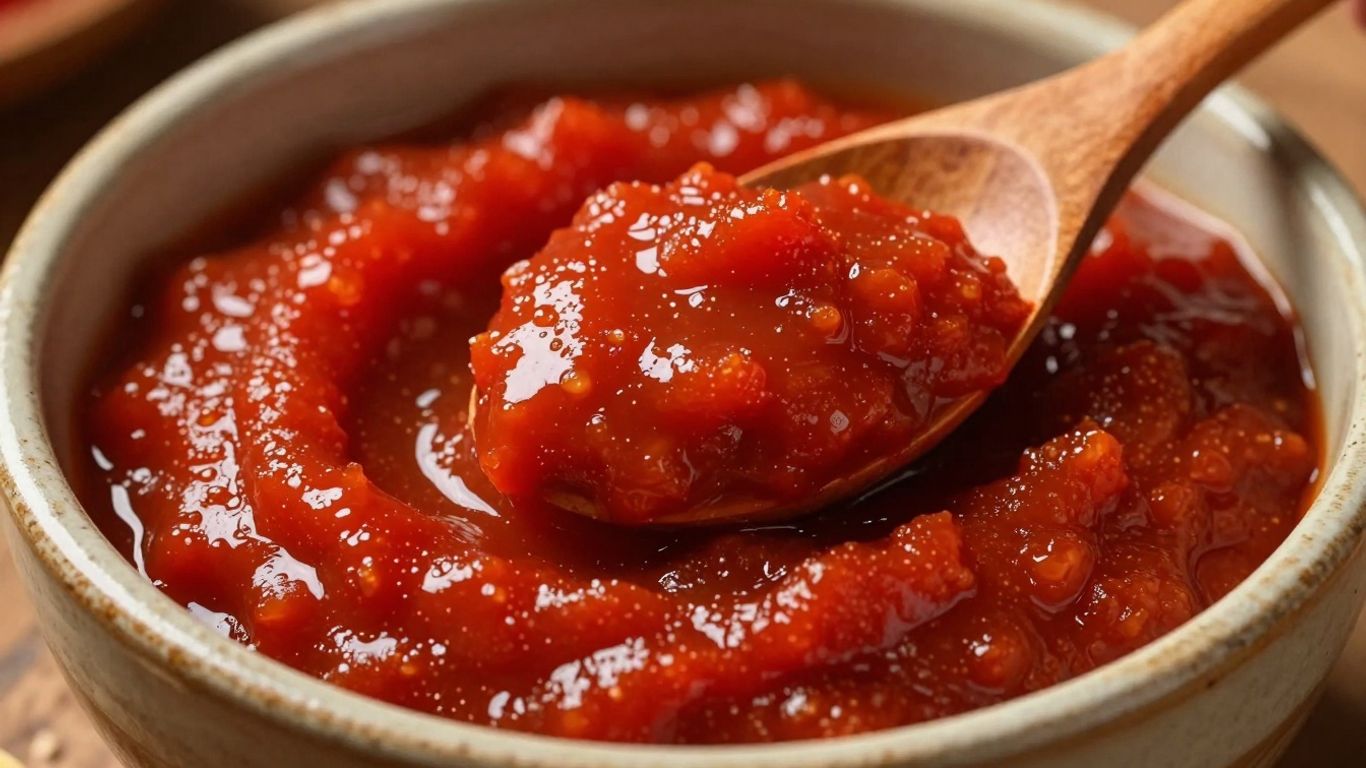
Tomato paste concentrate is basically tomatoes that have been cooked down for a long time. Think of it as the super-intense essence of a tomato. The process removes most of the water, leaving behind a thick, deep red paste packed with flavor. This concentration is what makes it so powerful in cooking. It's not just about making things taste like tomatoes; it's about adding a rich, savory depth that you just can't get from fresh tomatoes or even canned diced ones.
The Science Behind Concentrated Flavor
So, what's happening when tomatoes get cooked down like this? It's a couple of things. First, you're concentrating all those natural tomato flavors. Tomatoes have these things called glutamates, which are like little flavor boosters that make food taste savory, or umami. When you remove the water, those glutamates get packed closer together. Then, as the paste cooks further, the sugars and acids in the tomatoes start to change. This is similar to how onions get sweet when you caramelize them. You get these new, complex flavors that are roasted and a bit sweet, adding layers to your dish that wouldn't be there otherwise.
The magic of tomato paste isn't just its intense tomato taste. It's the way the cooking process transforms the natural sugars and acids, creating a complex flavor profile that adds richness and a subtle sweetness, while also deepening the savory notes.
Tomato Paste vs. Other Tomato Products
It's easy to get tomato paste mixed up with other canned tomato goods, but they're pretty different. Here's a quick rundown:
- Tomato Paste: This is the thickest and most concentrated. It has the least water, usually around 15-20%. Use it when you want a really strong tomato flavor and a thick texture, like in sauces or stews.
- Tomato Puree: This is smoother than paste but not as watery as sauce. It has more water than paste, maybe 80-85%. It's good when you want a noticeable tomato flavor but don't need it super thick or intense.
- Tomato Sauce: This is the thinnest and often comes seasoned. It's usually 90-95% water. It's great for quick pasta dishes or as a base where you need more liquid.
Here's a little table to make it clearer:
| Product | Water Content | Flavor Profile | Best For |
|---|---|---|---|
| Tomato Paste | 15-20% | Intense, savory, concentrated | Flavor bases, thickening, color |
| Tomato Puree | 80-85% | Balanced, fresh tomato | Recipes needing tomato presence, smoother texture |
| Tomato Sauce | 90-95% | Mild, often seasoned | Quick sauces, bases needing liquid |
Mastering Flavor with Tomato Paste Concentrate
The Crucial Step: Cooking Tomato Paste Concentrate
So, you've got your can of tomato paste. What's the first thing you do? If you're just plopping it straight into your pot, you might be missing out on a whole lot of flavor. Seriously, this one step can make a huge difference. It's all about cooking the paste before you add any liquids. This process, often called blooming or toasting, changes the paste's flavor profile from a bit sharp and raw to something much deeper and more complex. It's like waking up the tomatoes.
Here's the basic idea:
- Heat a little bit of oil or fat in your pan over medium heat.
- Add your tomato paste. Don't be shy, use a good amount if your recipe calls for it.
- Stir it constantly. You'll see it start to darken, going from that bright red to a deeper, brick-red color. It should also start to smell a bit nutty or roasted. This usually takes about 3 to 5 minutes.
- Once it looks and smells right, then you can add your onions, garlic, or whatever liquid your recipe calls for.
This cooking step helps caramelize the sugars in the paste and develops those savory, umami notes that make dishes taste so satisfying. It's a simple technique, but it really transforms the final dish.
Developing Deep Umami Notes
Umami is that savory, mouth-filling taste that makes you want to go back for another bite. Tomato paste, when cooked properly, is a fantastic source of umami. The concentration process already intensifies the natural glutamates in tomatoes, but cooking it further, especially in fat, really brings out those deep, rich flavors. Think of it like browning meat – you're developing new flavor compounds that weren't there before. This is what gives stews, sauces, and braises that satisfying depth that you just can't get from raw ingredients.
The magic happens when the sugars and amino acids in the paste react under heat. This Maillard reaction and caramelization create hundreds of new flavor compounds, adding layers of complexity that taste rich and satisfying.
Balancing Acidity and Sweetness
Tomatoes naturally have both acidity and sweetness, and tomato paste concentrates both. When you cook the paste, you mellow out some of that sharp acidity, making it more pleasant. At the same time, the sugars caramelize, adding a subtle sweetness that balances the remaining tartness. This balance is key, especially in dishes where you want a tomato flavor without it being overpowering or too sour. It's this ability to provide both savory depth and a balanced tomato taste that makes it so useful in so many different kinds of cooking.
| Flavor Component | Effect of Cooking Tomato Paste |
|---|---|
| Acidity | Mellowed, less sharp |
| Sweetness | Concentrated, caramelized |
| Savory (Umami) | Intensified |
Versatile Applications of Tomato Paste Concentrate
Beyond Italian Cuisine: Global Uses
Tomato paste isn't just for pasta sauces and pizza, though it's fantastic there. Think about it – that deep, rich tomato flavor is a building block that works in kitchens all over the world. It's a secret weapon for adding that certain something to dishes you might not expect. From the vibrant curries of India to the hearty stews found in North African tagines, tomato paste brings a foundational savoriness and a beautiful color. It’s like a flavor passport, letting you add a touch of complexity to almost any savory dish. It really does cross borders.
Enhancing Soups, Stews, and Sauces
This is where tomato paste really shines. When you're simmering a soup or stew, adding a spoonful or two of tomato paste early on can make a huge difference. It doesn't just add tomato flavor; it adds a cooked-down, almost caramelized depth that you just can't get from fresh tomatoes or even canned diced ones. It helps thicken things up a bit too, giving your broth a richer body. For sauces, whether it's a quick weeknight marinara or a slow-cooked ragu, it’s the base for that satisfying, full-bodied taste. It’s the difference between a watery sauce and one that coats your pasta just right.
Adding Depth to Meats and Marinades
Want to give your grilled chicken or roasted pork a little extra something? Tomato paste is your friend. Mix it into marinades for a concentrated burst of flavor that helps tenderize meat and gives it a lovely color when cooked. It works wonders in meatloaf or burger patties too, adding moisture and a savory kick. Even in vegetarian dishes, it can add a meaty depth that satisfies. It’s a simple way to make your proteins taste more interesting without adding a lot of extra ingredients or fuss.
Tomato paste is a flavor amplifier. It doesn't just taste like tomatoes; it tastes like cooked tomatoes, with all the sugars and savory notes intensified. This makes it perfect for building complex flavor profiles in a wide range of dishes.
Here's a quick look at how it fits into different cooking styles:
- Soups & Stews: Adds body and a deep, savory base.
- Sauces: Provides richness, color, and a concentrated tomato essence.
- Marinades: Infuses meats with flavor and aids in browning.
- Braises: Contributes to a rich, complex cooking liquid.
- Dips & Spreads: Adds a tangy, savory note to appetizers.
Choosing and Storing Tomato Paste Concentrate
Selecting High-Quality Tomato Paste
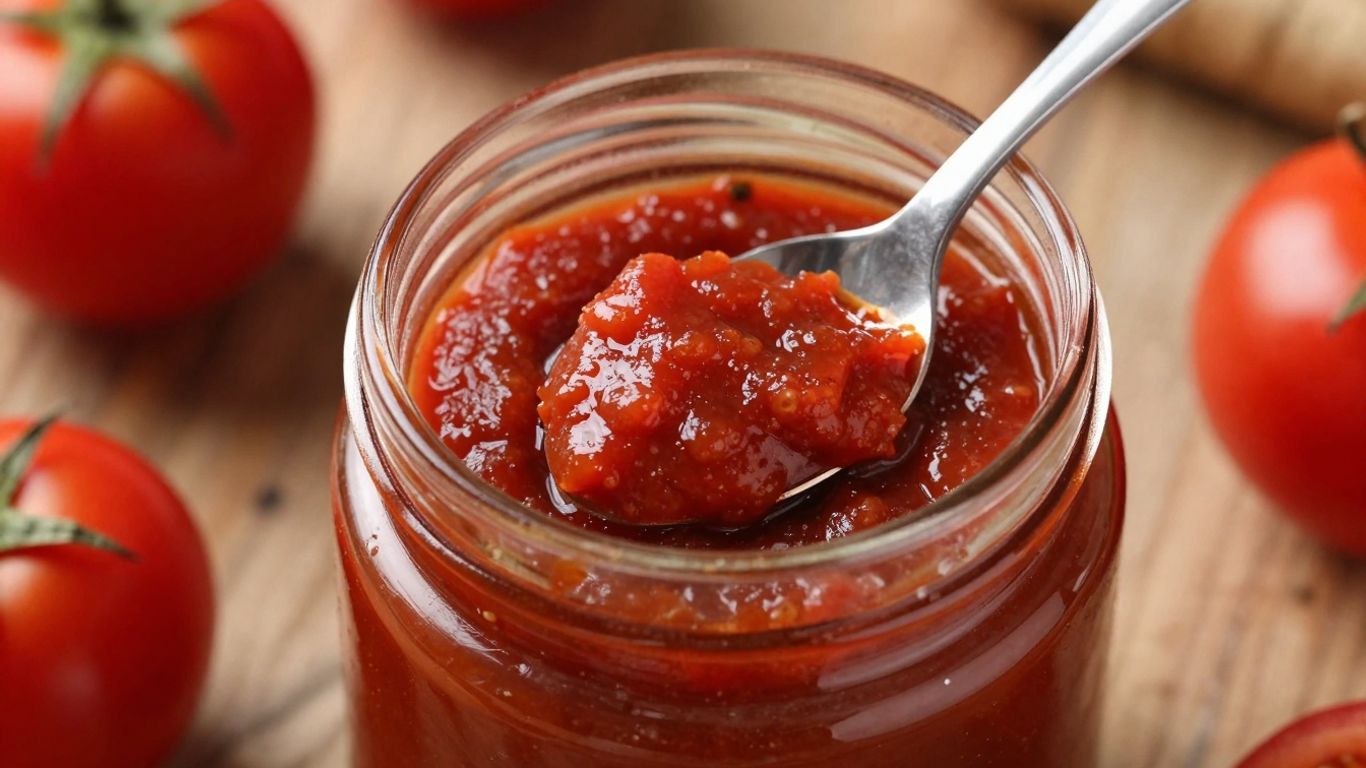
When you're grabbing a can or tube of tomato paste, look for plain, unseasoned varieties. Adding your own herbs and spices gives you way more control over the final flavor. Some brands offer double-concentrated paste, which is fantastic for getting that deep flavor with less product. If you see options like "double concentrated" or "triple concentrated," that's usually a good sign you're getting a more intense tomato flavor. Brands that focus on quality often have a richer, brick-red color. Avoid anything that looks dull or brownish.
Proper Storage for Freshness
Once you've opened a can or tube of tomato paste, how you store it makes a big difference. The best practice is to transfer any leftover paste into an airtight container. You can pop this in the refrigerator. Generally, it's good for about 5 to 7 days in the fridge before the quality starts to drop. The acidity in tomatoes helps preserve it a bit, but once it's exposed to air, it begins to lose its punch.
Tips for Using Leftovers
Don't let that leftover tomato paste go to waste! A really smart trick is to freeze it in portions. You can spoon tablespoon-sized dollops onto a piece of parchment paper, freeze them until solid, and then transfer the frozen portions to a freezer bag. This way, you can just grab exactly what you need for your next recipe without having to open a whole new can. It's a game-changer for busy cooks.
Tomato paste is pretty stable due to its acidity, but its flavor really degrades once it's been opened and exposed to air. Freezing is your best bet for keeping it potent for longer periods.
Here are some ways to manage your leftovers:
- Freeze in portions: As mentioned, freezing in small, measured amounts (like 1-tablespoon ice cube trays or dollops on parchment) is super convenient.
- Airtight container in the fridge: For short-term use (within a week), a well-sealed container is fine.
- Consider tubes: If you find yourself often only using a little bit at a time, tomato paste sold in tubes can be easier to manage and reseal than cans.
Common Mistakes to Avoid with Tomato Paste Concentrate
It's easy to think of tomato paste as just another ingredient, but it's got a bit of a personality. Messing up how you use it can really change your dish, and not always for the better. Let's talk about some common slip-ups so your cooking stays on track.
The Pitfall of Direct Liquid Addition
This is a big one. Many people just dump tomato paste straight into a pot of broth or sauce. This is a mistake because it prevents the paste from properly caramelizing and developing its full flavor. When you add it directly to liquid, it just kind of dissolves, and you miss out on that deep, roasted, umami goodness. It can also leave a raw, metallic taste. The trick is to cook it in some fat first, like oil or butter, over medium heat. Stir it around for a few minutes until it darkens a bit and smells richer. This step really makes a difference.
Understanding Shelf Life and Potency
Tomato paste doesn't last forever, especially after you open the can or tube. Once exposed to air, it starts to lose its punch. Most opened tomato paste, if stored properly in an airtight container in the fridge, is good for about 5 to 7 days. After that, the flavor can get a bit dull, and the color might not be as vibrant. If you find yourself with a lot of leftover paste, don't let it go to waste. Freezing it in small portions, like in ice cube trays, is a smart move. Once frozen, you can pop the cubes into a freezer bag for later use. This way, you always have a good amount ready to go without worrying about it spoiling.
When Substitutions Don't Measure Up
Sometimes you're in a pinch and think, "Can I just use something else?" While there are some alternatives that can work in a pinch, they often don't give you the same result. For instance, using tomato sauce or puree instead of paste means you're adding a lot more liquid to your dish. You'd have to cook it down significantly to get the same concentration, which can be a hassle and might change the texture of your final dish. Ketchup is another common thought, but it brings a lot of added sugar and vinegar that can throw off the flavor balance. It's usually best to stick with tomato paste when a recipe calls for it, or be prepared to adjust other ingredients if you must substitute.
Maximizing Flavor Impact with Tomato Paste Concentrate
So, you've got your tomato paste, and you're ready to make something delicious. But are you getting the most out of it? Most people just plop it into the pot, but there are a few tricks that can really make a difference. It’s not just about adding tomato flavor; it’s about building layers of taste that make your food sing.
Chef-Developed Techniques for Depth
Chefs know that tomato paste is more than just a thickening agent. It's a flavor powerhouse that needs a little coaxing. The key is to cook it properly before adding other liquids. This process, often called blooming or toasting, changes the paste's chemical makeup, bringing out deeper, richer notes. Think of it like toasting spices before adding them to a dish – it wakes up their flavor.
The Double-Cook Method Explained
This is where things get really interesting. The double-cook method involves cooking the tomato paste twice, which creates an incredible depth of flavor. First, you'll sauté the paste in a bit of fat, like olive oil, until it darkens and smells rich, usually about 5 minutes. Then, you deglaze the pan with a liquid, like wine or broth, scraping up any browned bits. After that liquid has mostly evaporated, you repeat the sautéing and deglazing process. This layering of cooking steps really concentrates the tomato's natural sugars and creates complex, almost caramelized notes that you just can't get otherwise. It’s a bit more work, but the payoff in flavor is huge.
Integrating Paste for Even Flavor Distribution
Getting tomato paste to blend smoothly and evenly throughout a dish can sometimes be tricky. A common mistake is adding it all in one clump. Instead, try mixing the paste with a small amount of your dish's liquid first, creating a smooth slurry. This helps break up any clumps and ensures the paste disperses evenly. Another neat trick is to mix the paste with your dry spices before adding them to the hot oil. The fat helps distribute the spices and the tomato paste evenly, allowing them to bloom together and meld their flavors right from the start. This way, you avoid pockets of intense tomato flavor and get a more consistent taste throughout your meal. It’s a small step that makes a big difference in the final dish, and it’s a technique that really helps build a solid flavor base.
Tomato paste, when cooked correctly, transforms from a simple ingredient into a complex flavor enhancer. Its concentrated sugars and acids caramelize, creating savory notes and balancing other tastes in your dish. This process is vital for achieving that restaurant-quality depth in your cooking.
Wrapping It Up
So, there you have it. Tomato paste is way more than just a can of red stuff in your pantry. It's a flavor powerhouse that can really change how your cooking tastes, making things richer and deeper. Remember to give it a quick sauté in some oil before you add other stuff – that little step makes a big difference. Whether you're making a simple weeknight pasta sauce or a complex stew, this concentrated tomato goodness is your secret weapon for getting that restaurant-quality taste right at home. Don't be afraid to experiment with it in different dishes; you might be surprised at how much it can improve your meals.
Frequently Asked Questions
What exactly is tomato paste concentrate?
Tomato paste concentrate is basically super-squished tomatoes! Imagine cooking down regular tomatoes for a really long time until almost all the water is gone. What's left is a thick, super-flavorful paste that's packed with tomato taste. It's like the essence of tomato in a can or tube.
Why is cooking tomato paste important?
Cooking tomato paste before you add other stuff is a game-changer. When you heat it up, especially in a little oil, it gets richer and develops this deep, savory flavor, kind of like caramel. If you just dump it straight into your sauce, it can taste a bit raw and not as yummy. Cooking it makes all the difference!
How is tomato paste different from tomato sauce or puree?
Think of it like this: tomato paste is the most concentrated, with the least water. Tomato puree is a bit thinner and less intense. Tomato sauce is usually the thinnest and often has seasonings already added. Paste gives you the most intense tomato flavor and helps thicken things up.
Can I use tomato paste in dishes other than Italian food?
Absolutely! Tomato paste is a secret weapon in many kinds of cooking. It's great for adding depth to curry bases, making meatloaf richer, jazzing up barbecue sauce, or even giving vegetable stocks more body. It's super versatile and can add a great flavor boost to all sorts of meals.
How should I store leftover tomato paste?
Once you open a can or tube, it's best to store any leftover tomato paste in an airtight container in the fridge. It usually stays good for about a week. For longer storage, you can freeze it! Many people freeze it in small spoonfuls on a baking sheet, then pop the frozen bits into a freezer bag. That way, you can grab just what you need.
What happens if I don't cook the tomato paste first?
If you skip the step of cooking tomato paste in oil or fat before adding liquids, you might miss out on a lot of flavor. It won't develop that deep, savory, almost roasted taste. Instead, you might get a more one-dimensional, slightly raw tomato flavor that doesn't add as much richness to your dish.


