


Thinking about stocking up on tomato paste? Costco often pops up as a place for good deals, especially if you're buying in bulk. But what's the real story behind the tomato paste cost at Costco? We're going to break down what makes the price what it is, what Costco actually has to offer, and how you can make sure you're getting the best bang for your buck. It’s not just about the sticker price, either; quality matters when you’re planning your meals.
Key Takeaways
- The price of tomato paste at Costco depends on factors like brand, packaging size, and any ongoing sales.
- Costco's bulk offerings can lead to significant savings on tomato paste compared to smaller retail stores.
- When comparing prices, always calculate the cost per unit (e.g., per ounce or per pound) to see the true value.
- Beyond just the cost, consider the quality and ingredients of the tomato paste for your cooking needs.
- Stocking up on tomato paste at Costco can be a cost-effective strategy for regular home cooks.
Understanding Tomato Paste Cost at Costco
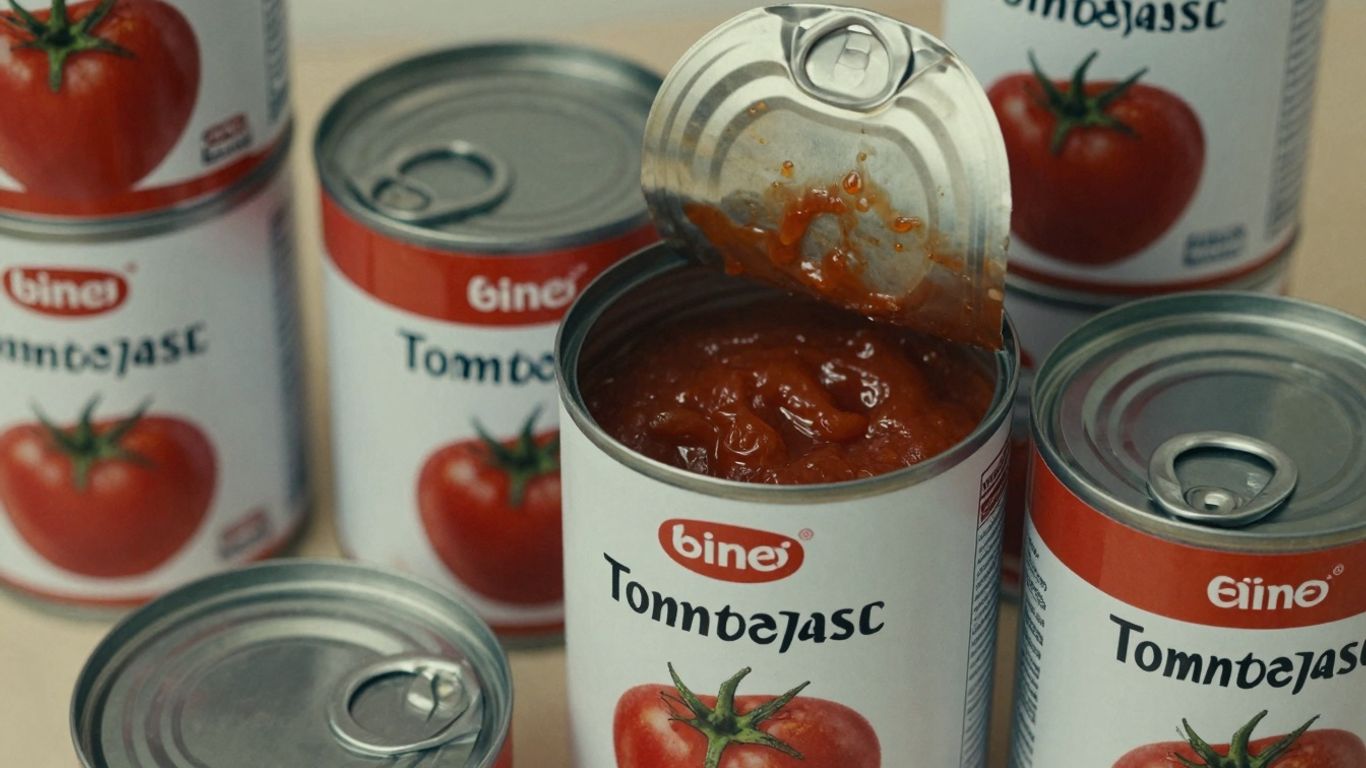
When you're trying to figure out the real cost of something like tomato paste at a place like Costco, it's not just about looking at the price tag on the shelf. There are a bunch of things that play into how much you're actually paying for that little can of concentrated tomato goodness. It's like trying to guess how much a recipe will cost before you even buy the ingredients – you gotta consider everything.
Factors Influencing Tomato Paste Pricing
Lots of stuff can make the price of tomato paste go up or down. Think about the brand, for starters. The fancy, well-known brands usually cost more than the store's own label. Then there's how it's packaged. Are you buying small cans, or a big multi-pack? Sometimes, the type of packaging, like glass jars versus metal cans, can also affect the price. And don't forget about when you buy it. Prices can change depending on the season, or if there's a sale happening.
Comparing Costco's Value Proposition
Costco is known for its bulk deals, and that's usually where you find the best prices. They buy huge amounts of products, which helps them get a lower price from the manufacturers. Then, they pass some of those savings on to us, the shoppers. So, even if a single can of tomato paste might seem a bit pricey at a regular grocery store, buying a multi-pack at Costco often works out to be cheaper per ounce. It's all about that bulk buying power.
The Role of Bulk Purchasing
Buying in bulk is kind of Costco's whole thing, right? When you buy a big box of tomato paste cans, you're not paying for all the individual handling and stocking that happens with smaller quantities. Plus, the cost of things like advertising and marketing gets spread out over a lot more units. This means that the price per can, or per ounce, is usually much lower than if you were buying just one or two cans at a time from somewhere else. It really adds up over time, especially if you use a lot of tomato paste in your cooking.
The price you see isn't always the final cost. Think about how much you'll actually use, how long it will last, and if you have space to store it. Sometimes, a slightly higher price for a better quality or larger quantity can save you money in the long run.
Decoding the Price Tag: What Affects Tomato Paste Cost
So, you're staring at the tomato paste aisle, wondering why the prices seem to jump around. It's not just you! Several things play a role in how much you'll pay for that little can of concentrated tomato goodness.
Brand Name vs. Store Brand
This is a big one. You've got your well-known brands, the ones you see advertised everywhere. They often come with a higher price tag because, well, you're paying for that name recognition and maybe some perceived quality. Then there are the store brands, like Costco's own Kirkland Signature. These are usually made by the same manufacturers as the name brands but without the marketing costs. Generally, store brands offer a more budget-friendly option without a significant drop in quality. It's worth trying them out to see if they meet your needs.
Packaging Size and Type
Tomato paste doesn't just come in those small 6-ounce cans. You can find it in larger cans, jars, and sometimes even tubes. The bigger the container, the lower the price per ounce usually is. Think about how much you'll actually use before it goes bad. Buying a giant can might seem like a deal, but if half of it ends up in the trash, it's not a saving at all. Tubes are handy for small amounts, but they can be pricier per ounce.
Seasonal Availability and Sales
While tomato paste is available year-round thanks to modern processing, the cost can still be influenced by the tomato growing season. When tomatoes are abundant and cheaper to harvest, the paste made from them might see a slight price dip. More significantly, keep an eye out for sales. Grocery stores, including Costco, will often put items like tomato paste on sale, especially around holidays or during peak cooking seasons. These sales can offer a noticeable discount.
It's easy to get caught up in the sticker price, but remember to look at the unit cost. That's the price per ounce or per pound. Sometimes a slightly more expensive item in a larger package can actually save you money in the long run if you use it all.
Costco's Tomato Paste Offerings
When you walk into Costco, you're usually met with a wall of value, and tomato paste is no exception. They tend to carry it in larger sizes than your average grocery store, which is great if you're a big cook or just hate running out of staples.
Typical Product Sizes Available
Costco often stocks tomato paste in cans that are larger than the standard 6-ounce size. You'll frequently find options like:
- 6-ounce cans: Sometimes sold in multi-packs (like 8 or 12 cans).
- 29-ounce cans: A much larger can, perfect for heavy users.
- Kits or Bundles: Occasionally, they might have special multi-packs combining different sizes or even other tomato products.
The exact sizes can vary by warehouse and season, so it's always good to check what's currently on the shelf.
Common Brands Carried
While Costco is known for its Kirkland Signature brand, you might also see other popular brands. The selection can rotate, but here are some you might encounter:
- Kirkland Signature: This is their in-house brand, usually offering a good balance of quality and price.
- Contadina: A well-known brand often found in larger club stores.
- Muir Glen: If you're looking for organic options, this brand sometimes appears.
It's worth noting that the brand availability can change, so don't be surprised if you see different names from visit to visit.
Customer Reviews and Satisfaction
Generally, customers seem pretty happy with the tomato paste options at Costco. The Kirkland Signature brand, in particular, gets a lot of praise for being a solid performer without the higher price tag of some name brands. People appreciate that they can buy in bulk and not worry about running out for a while.
Many shoppers find that the larger cans are more economical in the long run, especially if they use tomato paste regularly in recipes like sauces, stews, and chilis. The convenience of having a larger supply on hand is a big plus for busy households.
Of course, taste is subjective, but the consensus is that Costco's tomato paste is a reliable choice for everyday cooking needs.
Maximizing Savings on Tomato Paste
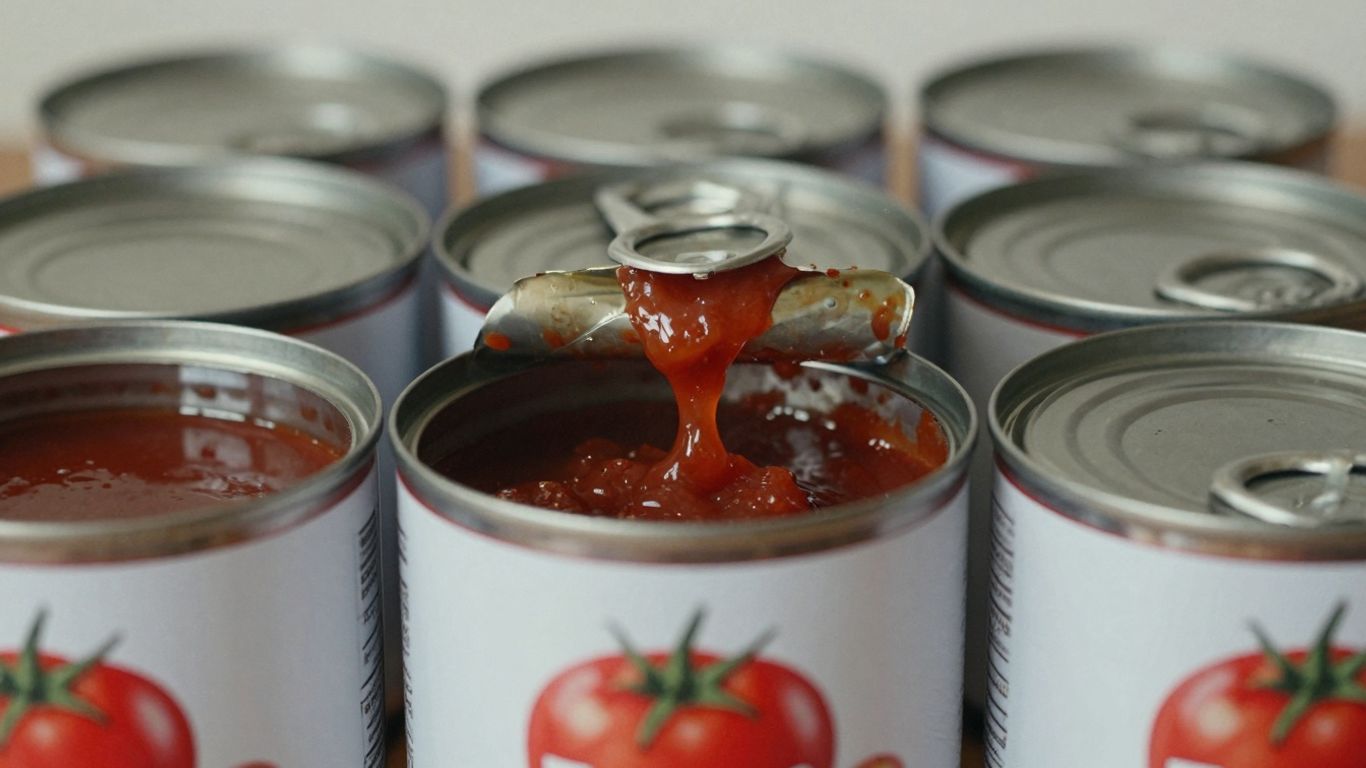
So, you've decided Costco's bulk tomato paste is the way to go. Smart move! But how do you make sure you're really getting the most bang for your buck? It's not just about grabbing the biggest can; there are a few tricks to playing the savings game.
Strategies for Finding the Best Deals
When you're at Costco, keep an eye out for those little yellow tags. Sometimes, they signal a temporary price reduction, and that's your cue to stock up. Also, don't be afraid to compare the price per ounce across different brands or sizes if Costco happens to carry more than one option. It might seem obvious, but you'd be surprised how many people just grab the first thing they see.
- Watch for Sales: Costco occasionally puts items on sale, and tomato paste can be one of them. These sales are usually advertised in their monthly savings book or on their website.
- Compare Unit Prices: Always check the price per ounce or per pound. The larger container isn't always the cheapest per unit.
- Consider Store Brand: While Costco carries popular brands, their Kirkland Signature line is often a more budget-friendly option and usually just as good.
When to Stock Up at Costco
Timing is everything, right? If you see a great price on tomato paste, and you know you'll use it before it expires, that's the perfect time to buy. Think about your cooking habits. Do you make a lot of chili, pasta sauces, or stews? If so, a large quantity of tomato paste will likely get used.
Buying in bulk makes sense if you have the storage space and a plan for using the product. Otherwise, you might end up with expired goods taking up valuable pantry real estate.
Alternative Shopping Locations
While Costco is great for bulk, it's not always the absolute cheapest place for everything. Sometimes, your local grocery store might have a sale on smaller cans that, when combined with a coupon, could rival Costco's price. It's worth a quick comparison before you make your final decision, especially if you're only running in for a few things.
- Local Supermarkets: Check weekly ads for sales on smaller cans. Sometimes, buying 3-4 smaller cans on sale can be cheaper than one large bulk container.
- Discount Grocers: Stores like Aldi or Lidl might offer competitive prices on their store-brand tomato paste.
- Online Retailers: While less common for something like tomato paste, occasionally online deals can pop up, especially if you're buying other items and can get free shipping.
Beyond the Price: Quality Considerations
So, we've talked about how much tomato paste costs at Costco, but what about what you're actually getting? It's easy to get caught up in the per-ounce price, but sometimes, the quality can really make a difference in your cooking. You want to make sure that cheap can of tomato paste doesn't end up ruining your carefully planned meal.
Assessing Tomato Paste Quality
How do you even tell if tomato paste is good quality? It's not always obvious just by looking at the can. Here are a few things to keep an eye on:
- Color: Good tomato paste usually has a deep, rich red color. If it looks dull or brownish, that's often a sign it's older or not made from the best tomatoes.
- Texture: It should be thick and smooth, not watery or chunky. You can sometimes get a feel for this even before opening the can, though it's easier to tell once you scoop some out.
- Smell: Fresh, good quality paste should smell like concentrated tomatoes, maybe a little sweet. Anything that smells off, sour, or fermented is a definite no-go.
- Taste: This is the ultimate test, of course. A good paste will have a concentrated, slightly sweet tomato flavor. If it tastes metallic, bitter, or just bland, it's probably not the best.
Ingredients and Nutritional Value
When you're looking at the ingredients list, simpler is usually better. Most good tomato pastes will just have tomatoes and maybe citric acid (which helps preserve it). You don't want to see a lot of added sugars, salts, or weird fillers.
Here's a quick look at what you might find in a typical serving (about 2 tablespoons):
| Nutrient | Amount (approx.) |
|---|---|
| Calories | 20-30 |
| Sodium | 150-250 mg |
| Carbohydrates | 5-7 g |
| Sugars | 3-4 g |
| Vitamin C | Varies |
| Lycopene | High |
Keep in mind that nutritional values can change a bit depending on the brand and whether salt is added. The big win with tomato paste is lycopene, an antioxidant that's more concentrated when tomatoes are cooked and processed.
Culinary Uses and Versatility
Tomato paste is one of those pantry staples that can do so much. It's not just for spaghetti sauce, you know. It adds depth and richness to all sorts of dishes.
- Soups and Stews: A spoonful can make a simple vegetable soup taste like it's been simmering for hours.
- Braises: It's fantastic in marinades or braising liquids for meats, giving them a lovely color and savory base.
- Sauces and Dips: Beyond pasta sauce, think about adding it to chili, barbecue sauce, or even a quick tomato dip for appetizers.
- Roasting: Mix it with oil and herbs to coat vegetables or chicken before roasting for an extra layer of flavor.
Sometimes, you might find that a store brand, while cheaper, doesn't have the same concentrated flavor. This means you might need to use more of it to get the same taste, potentially negating some of the savings. It's worth considering if the slightly higher price of a premium brand might actually be more economical in the long run if it performs better in your recipes.
Ultimately, while Costco's bulk pricing is attractive, checking the ingredients and considering how the paste performs in your cooking will help you decide if it's truly the best value for your kitchen.
The True Value of Costco's Tomato Paste
So, we've talked about what goes into the price of tomato paste and what Costco usually has on its shelves. Now, let's really break down if buying it there makes sense for your wallet and your kitchen.
Calculating Per-Unit Cost
This is where the numbers get interesting. Costco often sells tomato paste in multi-packs, like the Kirkland Signature Organic Tomato Paste which comes in a 12-pack of 6-ounce cans. When you do the math, the cost per can or per ounce is usually lower than what you'd find at a regular grocery store, especially if you're comparing it to name brands. For example, that 12-pack might run you around $18.99, making each 6-ounce can about $1.58. That's a pretty good deal when you think about how often tomato paste shows up in recipes.
Long-Term Cost-Effectiveness
Buying in bulk means you're setting yourself up for a while. If you use tomato paste regularly for sauces, stews, or marinades, having a stash means fewer trips to the store and less chance of running out mid-recipe. Think about it: if you're making a big batch of chili or a slow-cooked ragu, you might need a can or two. Having a whole case means you're covered for months. This also helps avoid those impulse buys you might make when you're in a pinch at a smaller store.
Is Costco's Tomato Paste Worth It?
For most home cooks who use tomato paste with any frequency, the answer is likely yes. The savings per unit are clear, and the convenience of having a large quantity on hand is a big plus. Plus, the quality, especially with their store brand, is generally well-regarded. It's a smart move if you have the storage space and a plan for using it. You're not just buying tomato paste; you're buying peace of mind for your future meals.
- Lower price per ounce compared to single cans.
- Convenience of having a large supply readily available.
- Often organic or made with simple ingredients.
- Reduces the need for frequent grocery trips.
Buying in bulk at Costco for items you use often, like tomato paste, can lead to significant savings over time. It's about planning ahead and recognizing the value in a larger purchase that you know you'll use.
When you consider the cost per can and the sheer volume you get, Costco's tomato paste is a solid choice for budget-conscious cooks. It's one of those pantry staples that makes sense to buy in bulk, especially if you're looking for organic options.
So, What's the Verdict on Costco Tomato Paste?
After looking at everything, it seems like buying tomato paste at Costco is a pretty good deal, especially if you use a lot of it. While the exact price can change, it's usually cheaper per ounce than what you'd find at regular grocery stores. Plus, you get that big container, so you're not running back to the store all the time. It’s one of those things that just makes sense for stocking your pantry if you're a regular cook. Think about how often you reach for it – if it's a lot, then grabbing a big pack from Costco is probably a smart move for your wallet.
Frequently Asked Questions
What makes tomato paste at Costco a good deal?
Costco often sells tomato paste in larger containers or multi-packs. Buying in bulk usually means you pay less per ounce compared to smaller cans at other stores. This makes it a budget-friendly choice for families or anyone who uses a lot of tomato paste.
Are there different kinds of tomato paste at Costco?
Costco typically carries a few options. You might find their own store brand, which is usually the cheapest, and sometimes a well-known national brand. The size of the containers can vary, but they are generally larger than what you'd find elsewhere.
How does Costco's price compare to other stores?
When you break down the cost per ounce or per pound, Costco's tomato paste is often cheaper than at regular grocery stores, especially when you compare it to name brands. The savings are biggest if you use the whole container before it goes bad.
Can I buy just one can of tomato paste at Costco?
Costco is known for selling items in bulk, so you'll usually buy tomato paste in a multi-pack (like several small cans together) or a larger jar. It's rare to find just a single, small can sold on its own there.
Is Costco's tomato paste good quality?
Many shoppers find Costco's store brand and the national brands they carry to be of good quality for everyday cooking. It works well in sauces, soups, and stews. Reviews often mention it tastes great and is a good value for the money.
What's the best way to use up a big container of tomato paste?
If you don't use a whole large container quickly, you can freeze portions! Spoon out amounts you'd typically use into an ice cube tray, freeze them, then pop the cubes into a freezer bag. This way, you always have small, ready-to-use portions.


